You Won’t Believe What Lima Hides Behind Its Gray Skies
Lima isn’t what you expect. Sure, it lacks the instant wow of Machu Picchu, but dig deeper and you’ll find a city pulsing with culture, flavor, and soul. I went looking for quick stops and stayed for the stories—the way ceviche tastes at sunrise, how colonial walls whisper history, and why local artists are redefining Peruvian identity. This is more than a travel guide. It’s an invitation to feel Lima, not just see it.
First Impressions: Why Lima Defies Expectations
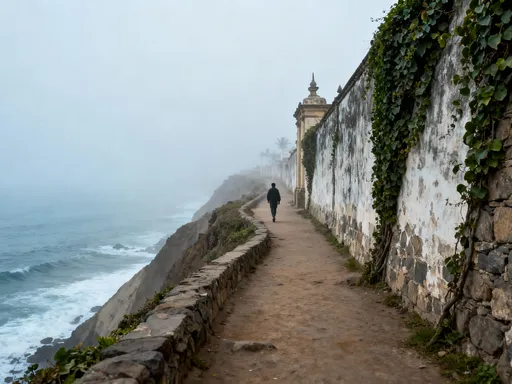
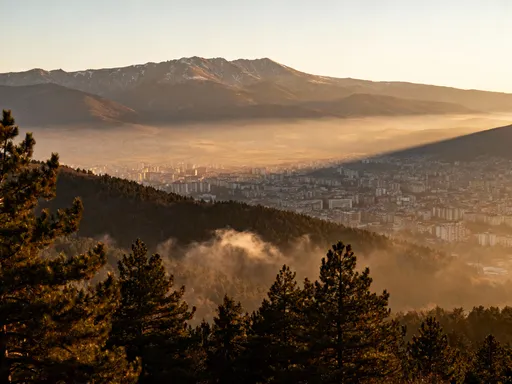
Lima is often dismissed as a necessary layover—a gray-coated city lacking the dramatic peaks of Cusco or the turquoise lakes of Lake Titicaca. Many travelers pass through without stepping beyond the airport shuttle, assuming the capital offers little more than traffic and concrete. But those who pause soon discover a metropolis shaped by contrasts: ocean cliffs carved by Pacific winds, sunlit plazas tucked behind misty façades, and a rhythm of life that moves between colonial echoes and modern innovation. The city’s reputation for overcast skies, especially in winter months, is real—locals call it garúa, a persistent coastal fog that drapes the coast from May to November. Yet this very atmosphere lends Lima a contemplative beauty, softening its edges and inviting introspection.
The district of Miraflores, one of Lima’s most visited neighborhoods, embodies this quiet allure. Perched above ocean cliffs, it offers panoramic views of rolling waves and seaside parks where families stroll, jog, or sip chicha morada at open-air kiosks. The Parque del Amor, a sculpted garden dedicated to love and poetry, draws couples and solo wanderers alike, its mosaic walls inscribed with verses by Peruvian poet Pablo Neruda. Yet beyond the postcard moments lies a deeper pulse—one of resilience, reinvention, and layered identity. Miraflores is not just a tourist enclave; it’s a living district where art galleries, family-run bakeries, and independent bookshops thrive alongside global brands.
What makes Lima truly defy expectations is its refusal to perform. Unlike cities built for spectacle, it reveals itself gradually. There’s no forced charm, no over-polished façade. Instead, authenticity emerges in unexpected places: a grandmother selling emoliente (a warm herbal drink) from a roadside cart, a street musician playing the cajón in a hidden courtyard, or the scent of freshly baked pan chuta drifting from a corner oven. To appreciate Lima is to slow down, to accept the fog as part of the experience, and to recognize that beauty here is not always bright—but it is always present.
The Heartbeat of Heritage: Exploring Historic Lima
At the core of Lima lies its historic center, a UNESCO World Heritage site that preserves over four centuries of architectural and cultural evolution. The Plaza Mayor, or Plaza de Armas, serves as the city’s symbolic heart. Surrounded by the Government Palace, the Archbishop’s Palace, and the imposing Cathedral of Lima, the square has witnessed royal proclamations, independence declarations, and centuries of daily life. The cathedral, built primarily in the 17th century, houses the remains of Francisco Pizarro, the Spanish conquistador who founded the city in 1535. While his legacy remains controversial, the structure itself stands as a monument to colonial ambition and religious devotion, its baroque façade and intricately carved altars drawing both worshippers and history enthusiasts.
Just a short walk away, the Convent of San Francisco offers a quieter but equally powerful experience. Its cloisters, tiled in traditional azulejos, lead to a vast library of ancient religious texts and, beneath the surface, a network of catacombs where the bones of an estimated 25,000 people rest in orderly patterns. Though the sight may seem macabre to some, it reflects a historical reality—before modern cemeteries, churches served as final resting places, and the arrangement of bones was both practical and symbolic. Today, the convent is not a relic but a living space, where monks still pray and visitors walk reverently through its shaded corridors.
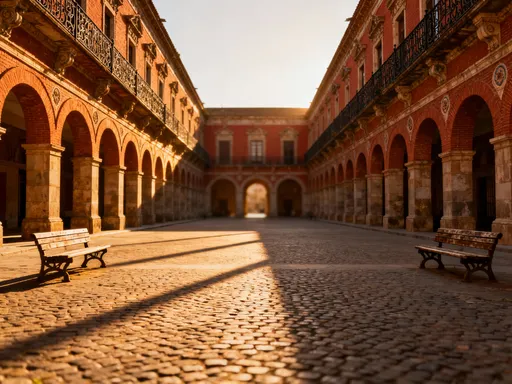
What makes historic Lima remarkable is not just its preservation, but its integration into everyday life. Office workers eat lunch on benches near the cathedral, children play soccer in cobblestone alleys, and vendors sell handmade crafts beneath colonial balconies. These spaces are not frozen in time; they are continuously inhabited, their history layered with contemporary rhythms. The fusion of Spanish colonial design with indigenous craftsmanship is evident in wooden balconies carved with Andean motifs and in the use of local materials in centuries-old construction. To walk through this district is to traverse not only geography but time—where past and present coexist in quiet harmony.
Taste as a Time Machine: Lima’s Culinary Soul
If Lima has a soul, it is found in its food. The city is widely regarded as the gastronomic capital of South America, a title earned not through hype but through deep cultural roots and culinary innovation. Peruvian cuisine is not static; it is a living archive of migration, adaptation, and creativity. To eat in Lima is to taste history—each bite carrying traces of ancient civilizations, colonial encounters, and global influences. The national dish, ceviche, exemplifies this perfectly. Fresh sea bass is marinated in lime juice, spiced with ají limo, and served with sweet potato, corn, and red onion. The acidity “cooks” the fish, creating a dish that is both vibrant and delicate. Eating ceviche at a seaside restaurant in Chorrillos at dawn, with the ocean breeze in your hair, is not just a meal—it is a ritual.
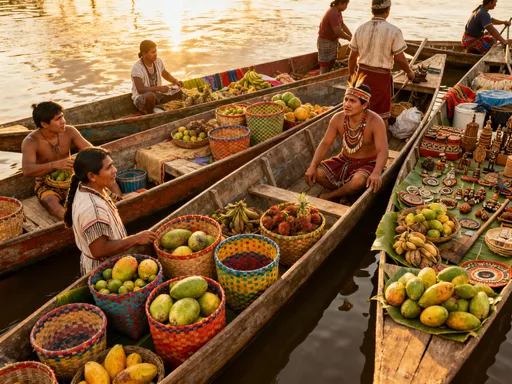
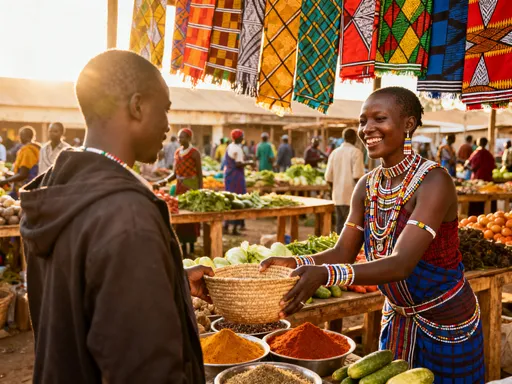
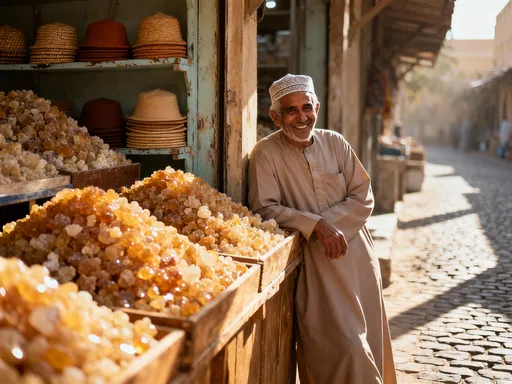
For a more immersive experience, the Mercado de Surquillo offers a sensory journey into Lima’s culinary heartbeat. This bustling market is where chefs, families, and food lovers shop side by side. Stalls overflow with colorful produce: purple corn, giant kernels of choclo, rocoto peppers, and dozens of potato varieties. Fishmongers display an array of Pacific seafood—lomo saltado, giant prawns, even sea urchins served fresh from the shell. But Surquillo is more than a marketplace; it’s a social hub. Locals gather at small eateries called huatias to enjoy dishes like causas (layered mashed potato cakes filled with chicken or tuna) and anticuchos (grilled beef heart skewers, a legacy of African influence). These foods, once considered humble, are now celebrated as national treasures.
While Lima boasts world-renowned restaurants like Central and Maido—ranked among the best globally—the city’s true culinary magic lies in accessibility. You don’t need a reservation or a luxury budget to eat well. A pollería on any street corner serves rotisserie chicken with crispy skin and creamy yellow sauce. A family-run cevichería opens only during lunch, serving ceviche in clay bowls that keep the dish cool. Even street vendors offer gourmet-level snacks: anticuchos grilled over open flames, tamales wrapped in banana leaves, or picarones, sweet pumpkin doughnuts drizzled with molasses. In Lima, fine dining and street food are not opposites—they are part of the same rich tapestry.
Beyond the Plate: How Food Tells Peru’s Story
Lima’s cuisine is more than a collection of recipes; it is a narrative of convergence. The country’s extraordinary biodiversity—spanning coastal deserts, the Andes, and the Amazon—provides an unmatched variety of ingredients. In one market, you might find Amazonian fruits like aguaymanto (golden berry) and camu camu, known for their high vitamin C content, alongside Andean tubers such as oca, olluco, and the iconic purple potato. These ingredients, once confined to rural regions, are now celebrated in urban kitchens, bridging geography and tradition.
The story of Lima’s food is also a story of migration. In the 19th century, Chinese laborers arrived to work on coastal plantations, bringing with them stir-frying techniques and soy sauce. Over time, chifa cuisine emerged—a fusion of Chinese and Peruvian flavors. Dishes like tallarín saltado (stir-fried noodles with beef and onions) are now staples in Lima homes. Similarly, African descendants, brought to Peru during the colonial era, contributed to the development of dishes like cau cau (tripe stew with cilantro) and anticuchos, which use spices and grilling methods rooted in Afro-Peruvian traditions. Spanish influence is evident in the use of garlic, olive oil, and cured meats, while indigenous techniques like fermentation and earth oven cooking remain vital.
This blending is not a relic of the past but a dynamic, ongoing process. Young chefs in Lima are not just preserving tradition—they are reinterpreting it. At Central, chef Virgilio Martínez uses altitude as a framework, creating dishes that represent different ecological zones of Peru, from the coast to the high jungle. At Maido, chef Mitsuharu Tsumura fuses Nikkei cuisine—Japanese-Peruvian cooking—into elegant, multi-course experiences. Yet these innovations do not erase the past; they honor it by showing how Peruvian identity is not singular, but plural. Every meal becomes a conversation across generations and geographies.
Art That Speaks: From Ancient Textiles to Urban Murals
Art in Lima is not confined to museums—it spills onto streets, into markets, and onto the walls of forgotten buildings. At the Museo de Arte de Lima (MALI), visitors can trace a continuous thread from pre-Columbian ceramics to contemporary installations. The museum’s collection includes Moche portrait vessels, whose realistic faces seem to gaze across time, and colonial-era religious paintings that blend Catholic iconography with indigenous symbolism. Modern Peruvian artists like Fernando de Szyszlo and Teresa Burga use abstraction and mixed media to explore identity, memory, and social change. MALI does not present art as static; it frames it as a dialogue between past and present, local and global.
Nowhere is this dialogue more visible than in Barranco, Lima’s bohemian district. Once a seaside retreat for the elite, Barranco is now a canvas for urban expression. Murals cover entire buildings, their bold colors and intricate designs depicting everything from Andean deities to modern social commentary. One mural might show a woman weaving with threads that form the map of Peru; another might portray a child holding a dove above a cityscape scarred by inequality. These works are not commissioned by the government but created by independent artists and collectives, often in collaboration with local communities. They reflect a desire to reclaim public space and tell stories that mainstream narratives often overlook.
Equally powerful is the resurgence of traditional textile arts. In villages across the Andes, women continue to weave using techniques passed down for generations. Natural dyes, backstrap looms, and symbolic patterns encode histories of resistance, spirituality, and belonging. In Lima, cultural centers like the Centro de Textiles Tradicionales del Perú work to preserve these traditions and connect rural artisans with urban markets. Visitors can attend workshops, meet weavers, and purchase textiles directly, ensuring fair compensation and cultural respect. This movement is not about nostalgia—it is about sustainability, dignity, and the belief that art is not just for display, but for living.
Rhythms and Rituals: Experiencing Local Life
To understand Lima, one must listen. The city has a soundtrack—one woven from criollo music, ocean waves, and the chatter of Sunday markets. Criollo music, born in Lima’s working-class neighborhoods, blends Spanish guitar, African rhythms, and indigenous melodies. Its most iconic form, the vals criollo, is a melancholic waltz that speaks of love, longing, and resilience. On weekend evenings, families gather in parks or small clubs to hear live performances. In the historic district of Barrios Altos, groups like La Crónica or Los Troveros Criollos perform in intimate venues, their voices echoing under candlelit ceilings. For many Peruvians, this music is not entertainment—it is emotional inheritance.
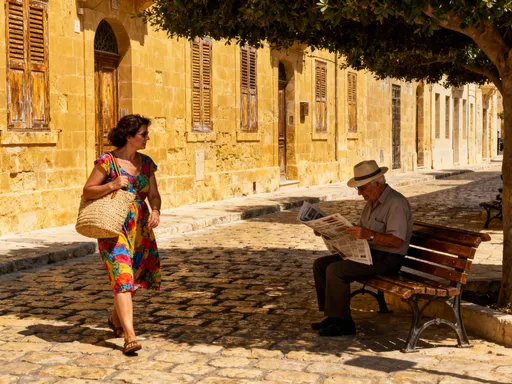
Daily life in Lima unfolds at a human pace. Sundays are reserved for family. Parks like the Kennedy Park in Miraflores fill with children flying kites, couples sharing picnics, and artists sketching portraits. Along the Costa Verde cliffs, joggers and cyclists follow the oceanfront path, while surfers catch early waves in Miraflores and Barranco. Neighborhood markets buzz with activity—vendors call out prices, grandmothers bargain for fresh herbs, and dogs nap under fruit stands. These routines are not tourist attractions; they are the fabric of ordinary life, rich in dignity and connection.
Religious traditions also shape the city’s rhythm. The most significant celebration is the procession of Señor de los Milagros (Lord of Miracles), held every October. Originating in the 17th century, the festival honors a mural of Christ that survived multiple earthquakes. For weeks, thousands dressed in purple robes walk through the streets in silent prayer, accompanied by hymns and candlelight. The atmosphere is solemn yet communal—a moment when the city unites in shared faith and history. Even non-religious residents participate, not out of obligation, but out of cultural belonging. These rituals are not performances for visitors; they are acts of continuity, binding generations through collective memory.
Traveling with Purpose: How to Engage Respectfully
Visiting Lima offers more than sightseeing—it presents an opportunity for meaningful connection. The most impactful way to travel is with intention. Learning a few basic Spanish phrases—such as buenos días, gracias, and ¿dónde está el baño?—goes a long way in building rapport with locals. While many in tourist areas speak English, making an effort to communicate in Spanish shows respect and opens doors to more authentic interactions. A simple conversation with a market vendor or a shared laugh with a café owner can transform a transaction into a human moment.
Supporting community-based tourism is another way to engage ethically. Several organizations in Lima offer guided tours led by residents of historic neighborhoods, offering insights that guidebooks cannot capture. These tours often include visits to local workshops, family-run restaurants, and cultural centers, with proceeds directly benefiting the community. Similarly, purchasing crafts from cooperatives that work with Andean or Amazonian artisans ensures that traditional knowledge is valued and preserved. These items—whether a handwoven bag, a ceramic pot, or a piece of jewelry—are not souvenirs; they are stories made tangible.
Perhaps the most important principle is slow travel. Rather than rushing through multiple districts in a single day, consider spending an entire afternoon in one neighborhood. Sit in a plaza, observe daily rhythms, return to the same café, and let familiarity grow. In Barranco, visit a small gallery in the morning and return in the evening for a poetry reading. In Surquillo, talk to the same fruit vendor twice and notice how the relationship shifts. This kind of travel does not maximize checklist tourism—it maximizes connection. It allows Lima to reveal itself not as a destination, but as a living, breathing community.
Conclusion
Lima doesn’t shout—it murmurs, intrigues, and reveals itself slowly. This city teaches you to look closer, listen longer, and taste deeply. By embracing its culture with curiosity and respect, you don’t just visit Peru. You begin to understand it. Behind the gray skies and colonial façades lies a vibrant dialogue of history, flavor, and artistry. From the first bite of ceviche to the final notes of a criollo waltz, Lima invites you not to observe, but to participate. It asks for your attention, not your applause. And in return, it offers something rare: authenticity in a world that often feels curated. So come with patience. Come with openness. And let Lima, in its quiet way, transform the way you travel—and the way you see the world.