You Won’t Believe What I Found in the Amazon Jungle Markets
Nestled deep within the Amazon rainforest of Brazil, far from typical tourist paths, lies a world of vibrant local markets pulsing with life, color, and culture. I never expected to find such a rich shopping experience in the middle of the jungle—handwoven crafts, exotic spices, and handmade jewelry that tell stories of indigenous traditions. This isn’t just shopping; it’s discovery, connection, and adventure woven into every transaction. Beyond the towering canopy and winding rivers, these markets reveal the heartbeat of Amazonian life—where every basket, spice, and smile carries generations of knowledge. For travelers seeking authenticity, the true treasure of the Amazon isn’t hidden in remote ruins or rare wildlife alone, but in the open-air stalls where community, craft, and tradition thrive. This journey through the jungle’s most unexpected shopping destinations invites you to see commerce not as mere exchange, but as a bridge between worlds—one that enriches both visitor and host.
The Rhythm of River Markets: Where Commerce Meets Community
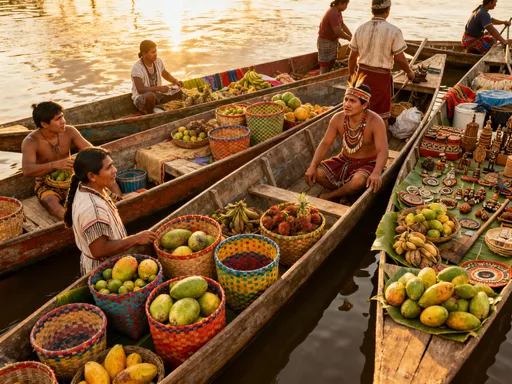
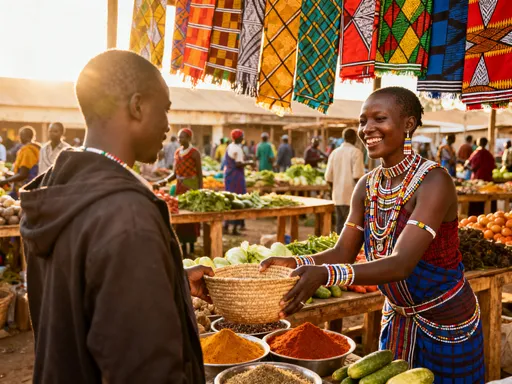
In the Amazon, markets are not confined to buildings or paved plazas. Instead, they rise and fall with the rhythm of the river. Along the banks of the Solimões and Negro rivers, in towns like Tefé, Parintins, and even on the outskirts of Manaus, weekly markets transform the shoreline into a bustling network of commerce and connection. Vendors arrive by wooden canoes and motorized riverboats, their vessels laden with fruits, fish, herbs, and handcrafted goods. As the sun climbs, the scent of grilled fish and ripe fruit mingles with the damp morning air, and the gentle lapping of waves blends with the chatter of bargaining and laughter. These are not mere transactions—they are gatherings of kin, neighbors, and travelers, where news is shared, songs are sung, and children dart between stalls with bare feet and bright eyes.
The floating markets, especially during the high-water season, are a marvel of adaptation. When floodwaters submerge the usual riverbanks, vendors anchor their boats side by side, creating a temporary marketplace on the water. From these floating stalls, one can buy everything from pirarucu fish, one of the largest freshwater species in the world, to bundles of jute and hand-carved wooden utensils. The trade here follows the tides—supplies come in with the current, and goods flow outward as boats return to remote villages. This fluid system reflects the deep relationship between the people and the river, a bond that shapes every aspect of daily life. Shopping here is not a hurried errand but a slow, sensory immersion, where time slows and human connection takes precedence over speed.
What makes these markets truly special is their role as cultural hubs. Beyond the exchange of goods, they are spaces of storytelling, music, and shared identity. Elders sit on wooden benches under wide palm roofs, recounting legends of river spirits and ancient tribes, while younger artisans demonstrate weaving techniques passed down through generations. On weekends, local musicians gather with handmade instruments—berimbaus, flutes, and hand drums—filling the air with rhythms that echo through the trees. For visitors, participating in this rhythm means more than buying souvenirs; it means stepping into a living tradition, where commerce is interwoven with community, and every purchase supports a way of life that has endured for centuries.
Handmade Treasures: From Basket Weaving to Beaded Art
Among the most captivating finds in Amazonian markets are the handmade crafts that reflect the deep artistic heritage of indigenous communities. Woven baskets, intricate beadwork, and ceremonial masks are not merely decorative—they are expressions of identity, spirituality, and environmental wisdom. Crafted by women and elders in villages such as those of the Baniwa, Ticuna, and Yanomami peoples, these items are made using techniques refined over hundreds of years. The materials are drawn directly from the rainforest: palm leaves, natural dyes from seeds and bark, and fibers from vines and tree bark. Each piece tells a story—whether it’s a geometric pattern symbolizing a river’s path or a mask representing a forest spirit in traditional rituals.
One of the most common yet remarkable crafts is the tucumã palm basket, known for its durability and fine weave. Artisans split the leaves into thin strips, then dye them using natural pigments like annatto for red, urucum for orange, and genipap for black. The weaving process can take days, depending on the size and complexity, and each artisan imbues the work with personal and cultural meaning. Similarly, beaded jewelry made from seeds, bones, and clay is both beautiful and symbolic. Necklaces often feature patterns that represent animals, constellations, or clan affiliations, serving as both adornment and cultural record. These creations are not mass-produced; each is unique, bearing the fingerprints of its maker and the spirit of the forest.
For travelers, purchasing these items is an opportunity to support sustainable livelihoods and cultural preservation. Many cooperatives and community-led initiatives now operate in partnership with ethical tour operators, ensuring that artisans receive fair compensation. Look for stalls labeled as part of a fair trade network or endorsed by local cultural organizations. Avoid vendors selling items that appear factory-made or culturally inappropriate, such as sacred symbols used out of context. By choosing authentic crafts, visitors contribute directly to the well-being of families who depend on these sales for education, healthcare, and housing. More than a souvenir, a handwoven basket or beaded bracelet becomes a meaningful artifact of cultural resilience and rainforest wisdom.
Taste of the Amazon: Shopping for Local Flavors
The Amazon markets are not only a feast for the eyes but also a revelation for the palate. Food stalls brim with ingredients unique to the region, offering a taste of the rainforest in its purest form. Central to the market experience is açaí, the dark purple berry harvested from açaí palms. Served thick and cold in a bowl, often mixed with banana and granola, it is a staple breakfast and snack for locals. Unlike the sweetened, blended versions found abroad, authentic açaí here is earthy, slightly tart, and rich in nutrients. Nearby, vendors sell cupuaçu, a fruit related to cacao, whose creamy pulp is used in juices, desserts, and even cosmetics. Its flavor—reminiscent of pineapple, chocolate, and pear—delights first-time tasters and is increasingly recognized for its antioxidant properties.
Another essential ingredient is tucupi, a yellow sauce made from fermented manioc root. It is a key component in traditional dishes like pato no tucupi, a duck stew flavored with jambu leaves, which create a tingling sensation on the tongue. While tucupi must be boiled for hours to remove natural toxins, the final product is safe and deeply flavorful, carrying the essence of Amazonian cuisine. Equally important is farinha, a coarse manioc flour sprinkled over meals like rice or fish. It adds texture and sustenance, serving as the region’s equivalent of bread or rice. These ingredients are not only delicious but deeply tied to food security and cultural identity in riverine communities.
For visitors, navigating these flavors requires curiosity and care. To identify authentic products, look for items sold in natural packaging—banana leaves, woven baskets, or clay pots—rather than plastic. Fresh açaí should have a deep color and smooth consistency, with no added sugar unless specified. When buying dried herbs or powders, smell them: genuine cupuaçu powder will have a fruity, floral aroma, while fake versions may smell stale or chemical. Whenever possible, buy directly from producers or community cooperatives, where prices are fair and origins transparent. Sampling food at the market is not just a culinary adventure but a way to honor local knowledge and support sustainable agriculture rooted in the rainforest ecosystem.
Navigating the Markets: A Traveler’s Practical Guide
For those planning to explore Amazonian markets, preparation enhances both comfort and respect. The best time to visit is during the dry season, from June to November, when river levels are lower, and access to riverside stalls is easier. Most markets operate on weekends or specific market days, so checking local schedules in advance—often through guesthouses or tour guides—can prevent disappointment. In cities like Manaus, the Mercado Adolpho Lisboa offers a more accessible introduction, with tiled floors and shaded stalls, while remote village markets require guided excursions by boat, often arranged through eco-lodges or community-based tourism programs.
Transportation within the region relies heavily on river travel. River taxis, known locally as “lanchas,” are the most common way to reach floating or riverside markets. These small, open boats are fast and affordable but may lack shade or seating, so travelers should bring hats, water, and light rain gear. For deeper immersion, joining a guided tour led by local naturalists or cultural interpreters ensures safety, proper etiquette, and richer context. These guides often speak Portuguese and some English, helping visitors communicate with vendors and understand the significance of what they are seeing and buying.
When it comes to transactions, cash is essential. Most markets operate entirely without digital payments—no credit cards, no mobile wallets. Bring small denominations of Brazilian real, as change can be difficult to obtain in remote areas. ATMs are available in Manaus and larger towns, but not in villages, so withdrawing money in advance is crucial. Bargaining is acceptable in some settings, particularly for crafts and non-food items, but should be done gently and respectfully. In many cases, prices are already fair, and paying the full amount is a way to honor the artisan’s labor. If a vendor quotes a price, a polite nod or slight counteroffer—no more than 10–15 percent lower—is appropriate. Above all, approach each interaction with patience and a smile; commerce here is personal, not impersonal.
Beyond Souvenirs: Shopping with Purpose
Every purchase made in an Amazonian market has the potential to create lasting impact. Unlike commercial tourism that often leaks profits to outside corporations, buying directly from local artisans and farmers ensures that money stays within the community. A single woven basket, priced at a few dollars, may represent a day’s work for a mother supporting her children. That income can cover school supplies, medical visits, or the cost of boat fuel for fishing. When travelers choose authentic, locally made goods, they become part of a cycle of dignity and sustainability, where culture is not commodified but celebrated and preserved.
Consider the example of a beaded necklace made by a Ticuna woman in a riverside village. The seeds are gathered by her family, the dyes extracted from forest plants, and the design inspired by ancestral patterns. Selling it at the market allows her to contribute to household income without leaving her community or compromising her traditions. In contrast, mass-produced imitations sold in tourist shops offer no such benefit and often misrepresent indigenous art. By choosing authenticity, travelers help protect cultural integrity and discourage exploitation.
Shopping with purpose also means being mindful of what is bought and why. Avoid items made from endangered species, such as animal skins, feathers, or bones, even if offered as “traditional” crafts. International and Brazilian laws prohibit the trade of such materials, and purchasing them can harm conservation efforts. Instead, focus on sustainable, plant-based, or recycled materials. Ask questions when in doubt: Where was this made? Who made it? How is the money used? Vendors often appreciate the interest and may share personal stories, deepening the connection between buyer and maker. In this way, shopping becomes not just an act of consumption but a gesture of solidarity.
Hidden Gems: Off-the-Beaten-Path Market Experiences
While the markets of Manaus and Tefé offer rich experiences, some of the most profound encounters happen in lesser-known villages accessible only by guided eco-tours. Places like São Sebastião do Uatumã, Barcelos, or small ribeirinho communities along the Rio Negro provide intimate settings where tourism remains low-impact and community-led. These markets are often simple—just a few stalls under a thatched roof—but they offer unmatched authenticity. Here, visitors meet families who have lived on the river for generations, growing manioc, fishing, and crafting in harmony with the forest. The absence of crowds allows for deeper conversations, spontaneous invitations to shared meals, and a true sense of belonging.
These village markets are typically organized as part of cultural tourism initiatives, where profits support education, health, and environmental protection. Some communities rotate hosting duties, ensuring that benefits are shared across families. Visitors may be invited to participate in craft workshops, learning to weave palm leaves or make simple beaded bracelets. These hands-on experiences foster appreciation and respect, turning passive observation into active engagement. Children often join in, proudly demonstrating skills they’ve learned from their grandparents, ensuring that traditions are passed forward.
However, it is vital to approach such visits with care and permission. Not all indigenous territories are open to tourism, and some communities choose to remain isolated for cultural or historical reasons. Unauthorized visits to protected lands are not only illegal but disrespectful. Always travel with certified guides affiliated with recognized eco-tourism networks or community cooperatives. Respect local rules—photography may be restricted, certain areas off-limits, and behavior expected to be modest and quiet. These boundaries exist to protect both the community and the visitor. By honoring them, travelers contribute to a model of tourism that is ethical, sustainable, and truly reciprocal.
From Jungle to Journey: Carrying Culture Home
Returning home from the Amazon, one does not simply carry souvenirs—but stories, scents, and a renewed sense of connection. The bracelet wrapped around a wrist, the jar of açaí powder in the pantry, the woven wall hanging in the living room—each is a quiet reminder of a world where nature and culture are inseparable. These items do more than decorate; they serve as bridges, sparking conversations about rainforest conservation, indigenous resilience, and the value of slow, meaningful travel. They invite others to look beyond the exotic and consider the human lives behind the beauty.
Travelers can continue supporting Amazon communities long after their journey ends. Sharing photos and stories—respectfully and with permission—on social media helps raise awareness. Purchasing from fair trade brands that partner with Amazon artisans, such as cooperatives selling handmade jewelry or organic superfoods, extends impact. Donating to reputable NGOs focused on rainforest conservation or indigenous rights is another way to give back. Most importantly, choosing to travel mindfully in the future—prioritizing local guides, eco-lodges, and community-based experiences—sets a standard for responsible tourism.
Each purchase from an Amazon market carries more than material value. It holds the echo of a river song, the scent of damp earth after rain, the warmth of a handshake across cultures. It is a testament to the resilience of people who live in harmony with one of Earth’s most vital ecosystems. To shop in the Amazon is not to take, but to receive—and in receiving, to honor. These markets are not endpoints, but invitations: to listen, to learn, and to carry forward a deeper understanding of what it means to live in balance with nature and each other.
The Amazon rainforest is often celebrated for its biodiversity, its towering trees, and its vital role in the planet’s climate. But equally important is its cultural richness—lived daily in the markets where tradition, trade, and community converge. These spaces are not tourist attractions; they are the heartbeats of riverine life, where every basket, every spice, every smile reflects centuries of knowledge and resilience. True discovery in the Amazon does not come from ticking off sights, but from the quiet moments of exchange—handing over coins for a handwoven mat, sharing a smile with a vendor, tasting a fruit you’ve never seen before. It is in these everyday interactions that travel becomes transformative.
For those willing to look beyond the surface, the Amazon offers more than adventure—it offers connection. Shopping here is not consumerism; it is cultural exchange, a way to support families, preserve traditions, and deepen one’s own understanding of the world. As global tourism evolves, the future of places like the Amazon depends on travelers who come with curiosity, respect, and open hearts. Let us not be mere observers, but participants—choosing authenticity over convenience, dignity over display, and relationship over transaction. In the end, the greatest souvenir we can bring home is not something we bought, but someone we became: more aware, more grateful, and more connected to the living pulse of our planet.