Soul, Smoke, and Supper: How Atlanta’s Food Scene Stole My Heart
Ever wondered what it feels like to taste a city’s soul? Atlanta isn’t just peach trees and skyscrapers—it’s crispy cornbread sizzling in cast iron, smoky barbecue that makes you close your eyes, and food trucks dishing out global flavors on quiet corners. I came for the sights, but stayed for the meals. From bustling markets to down-home kitchens, every bite told a story. This is food culture at its most real, flavorful, and unforgettable. More than a destination, Atlanta is a culinary conversation—one that speaks of history, resilience, and connection. To eat here is to listen, learn, and belong.
Arrival in Atlanta: First Bites and First Impressions
Stepping off the plane at Hartsfield-Jackson Atlanta International Airport, the first thing that greeted me wasn’t a skyline or a souvenir shop—it was the scent of fried chicken wafting through the terminal. At a small café near Concourse T, I ordered a buttermilk biscuit sandwich with crispy chicken and peppered honey. As I took my first bite, I realized this was no ordinary airport meal. The biscuit shattered delicately, the honey cut through the heat just right, and the warmth of the food mirrored the city’s famed Southern hospitality. It was my first clue: in Atlanta, even the simplest meals are crafted with care and character.
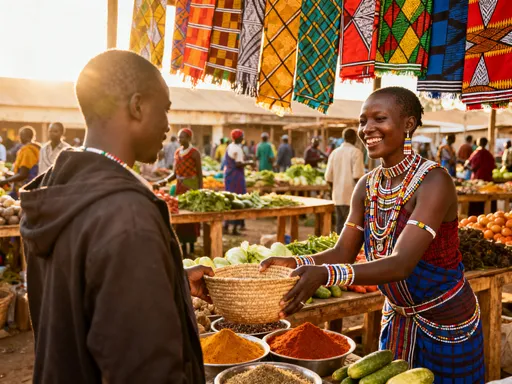
Instead of heading straight to a hotel, I followed local recommendations and made my way to the Sweet Auburn Curb Market. Nestled in a historic district just east of downtown, this indoor market has served the community since 1924. Walking through its doors felt like stepping into a living kitchen—vendors called out greetings, cast-iron skillets hissed on griddles, and the air hummed with the aroma of simmering greens and smoked meats. I sampled a mini meat pie from a Caribbean stall, sipped sweet tea from a family-owned stand, and watched an elderly man patiently teach a young vendor how to fold dumplings. It was more than a meal stop; it was an immersion.
Atlanta’s food culture reveals itself quickly to those who seek it. Unlike cities where fine dining dominates the narrative, Atlanta’s culinary heartbeat pulses strongest in unassuming places—corner stores with handwritten menus, gas stations serving hot collard greens, and pop-up stands in church parking lots. These early meals taught me that authenticity here isn’t performative; it’s lived. The city’s openness, its willingness to share its kitchen table, made me feel welcomed in a way no brochure ever could. Food wasn’t just sustenance—it was the first language of connection.
The Heart of Southern Cooking: Tradition on a Plate
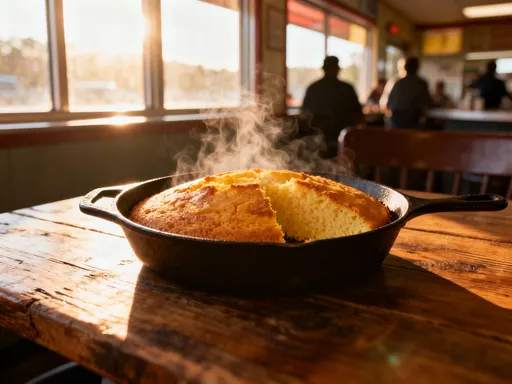
To understand Atlanta’s soul, one must sit at the table of Southern cooking. This is where history simmers in every pot, where recipes are heirlooms passed from grandmother to grandchild. I visited Mary’s Kitchen in the West End, a no-frills diner run by a woman named Evelyn who’s been cooking since she was ten. Her cornbread—golden, slightly sweet, baked in a blackened skillet—was the kind that makes you close your eyes after the first bite. “This pan’s been in my family since the ’60s,” she told me, patting the cast iron like a trusted friend. “Food like this, it’s not just feeding the body. It’s feeding memory.”
At Mary’s, I ordered fried catfish with collard greens slow-cooked with smoked turkey, candied yams, and a side of mac and cheese so rich it could stand a spoon upright. Each dish carried layers of meaning. The greens, for instance, are rooted in West African culinary traditions, where leafy vegetables were preserved and seasoned with bold flavors. The frying technique used for the catfish traces back to enslaved Africans who adapted European methods with African ingredients and ingenuity. These meals, often labeled “comfort food,” are in truth testaments to survival, creativity, and love under hardship.
I spoke with a local historian who explained that Southern cuisine in Atlanta evolved from a blend of Native American agriculture, African cooking methods, and European staples. Corn, beans, and squash—the “Three Sisters” grown by Indigenous peoples—became foundational. Enslaved cooks transformed scraps into feasts, using off-cuts of meat, foraged greens, and homegrown vegetables. Over time, these dishes became symbols of resilience. Today, restaurants like Busy Bee Café and Paschal’s continue that legacy, serving meals that honor the past while nourishing the present. To eat here is to participate in a living tradition.
Beyond the Plate: Food as Cultural Storytelling
In Atlanta, food is more than nourishment—it’s narrative. Every dish carries a chapter of history, a whisper of migration, a shout of celebration. I spent an afternoon at a community kitchen in the Old Fourth Ward, where volunteers prepare meals for seniors and host monthly cooking workshops. During a lesson on making peach cobbler, an elder named Clara shared how her great-grandmother used to bake it in a wood-fired oven after picking peaches from their backyard in rural Georgia. “Back then, we didn’t have much,” she said, “but we had fruit, flour, and fire. And that was enough to make something sweet out of hard times.”
This idea—that food can transform struggle into sustenance and joy—resonates throughout the city. At the National Center for Civil and Human Rights, I learned how meals sustained activists during the Civil Rights Movement. Leaders like Dr. Martin Luther King Jr. often met in homes and churches where women prepared meals that fueled both bodies and spirits. Dishes like red beans and rice, symbolizing resilience and perseverance, became part of the movement’s rhythm. Even today, many Atlanta churches host “soul food Sundays,” where meals strengthen community bonds and keep cultural memory alive.
The storytelling power of food is also evident in how Atlanta’s restaurants name their dishes. A menu at a Midtown bistro listed “Freedom Fries” alongside “Harmony Greens,” each name carrying weight beyond flavor. At a family-owned restaurant in East Point, I saw a plaque that read: “Our recipes survived slavery, segregation, and silence. They will survive anything.” This deep connection between food and identity makes every meal in Atlanta an act of remembrance and resistance. It’s not just about taste—it’s about truth.
The Rise of Modern Atlanta Eats: Fusion and Innovation
While tradition anchors Atlanta’s food scene, innovation propels it forward. A new generation of chefs is reimagining Southern cuisine, blending it with global influences to create something entirely fresh. In the Old Fourth Ward, I visited a food hall where a Korean-American chef served bulgogi-style brisket tacos with pickled collards and corn tortillas. The dish was a revelation—smoky, spicy, tangy, and deeply satisfying. “I grew up eating kimchi and cornbread,” he told me. “Why shouldn’t they be on the same plate?”
This spirit of fusion is thriving across the city. In Westside, a vegan café offers jackfruit “pulled pork” sandwiches with Alabama white sauce, proving that plant-based eating can honor Southern flavors without compromise. Ethiopian restaurants serve injera with collard greens, creating a cross-cultural harmony on the plate. Even classic meat-and-three diners now offer gluten-free cornbread and dairy-free sweet potato pie, reflecting the city’s growing diversity and evolving tastes.
Neighborhoods like Poncey-Highland and Virginia-Highland have become hubs for culinary experimentation. Pop-up dinners, themed around concepts like “Southern x Caribbean” or “Grits & Global,” draw crowds eager to taste the future of Atlanta food. These events aren’t just about novelty—they’re about dialogue. They invite diners to see Southern cuisine not as static, but as a living, breathing tradition that welcomes new voices and flavors. The result is a food scene that feels both rooted and revolutionary.
Street Food & Markets: Where Locals Eat
If you want to eat like an Atlantan, follow the food trucks. These mobile kitchens are where culture, convenience, and flavor collide. On a quiet Tuesday evening in Chamblee, I found a Vietnamese banh mi cart tucked behind a laundromat. The owner, a refugee from Saigon, has been serving his signature sandwich—crispy pork, pickled vegetables, cilantro, and chili—on French baguettes for over twenty years. “People come from all over the city,” he said with a smile. “They say it tastes like home. For me, it is home.”
Across town, near Decatur Square, a Jamaican patty stand draws lines at lunchtime. The patties—golden, flaky crusts filled with spiced beef, chicken, or ackee—are served with a side of mango chutney and a cold sorrel drink. I struck up a conversation with a regular customer who told me, “This spot? It’s where I come when I need comfort. Tastes like my aunt’s kitchen back in Kingston.” These informal eateries, often family-run and cash-only, offer some of the most authentic experiences in the city.
Farmers' markets also play a vital role in Atlanta’s food ecosystem. At the Grant Park Market, I met farmers from nearby towns selling heirloom tomatoes, purple hull peas, and wildflower honey. One vendor, a third-generation beekeeper, explained how her hives are placed near peach orchards, giving the honey a delicate floral note. “You can taste the Georgia sun in this,” she said, handing me a sample. These markets aren’t just places to buy food—they’re community spaces where stories are exchanged, recipes shared, and connections made. For visitors, they’re goldmines of local flavor and insight.
Practical Tips for Eating Your Way Through Atlanta
Navigating Atlanta’s food scene can feel overwhelming, but with a few smart strategies, you can savor the best the city has to offer. Start by exploring neighborhoods known for their culinary identity. In Midtown, you’ll find a mix of upscale Southern restaurants and international fare. In East Atlanta Village, quirky cafes and craft breweries line the streets. The Westside is home to innovative food halls like Krog Street Market, where you can sample everything from ramen to rotisserie chicken in one place.
Timing matters. Many local favorites sell out by early afternoon. Popular soul food spots like Mary Mac’s Tea Room and The Colonnade often have lunchtime rushes, so aim to arrive before 11:30 a.m. or after 1:30 p.m. to avoid long waits. Food trucks tend to appear at peak hours—lunchtime in business districts, evenings near entertainment zones. Apps like Yelp and Roaming Hunger can help you track mobile vendors in real time.
Transportation is key. Atlanta’s MARTA rail system connects major neighborhoods and drops you near dining hubs like Five Points and Arts Center. Parking can be challenging downtown, so consider using public transit or rideshares. If you’re planning a food tour, group several stops in one area—like combining a morning visit to Sweet Auburn Curb Market with a walk to nearby Paschal’s for lunch.
Budget-friendly options abound. Many meat-and-three restaurants offer hearty meals under $15. Look for lunch specials, early-bird menus, and community dinners hosted by churches or nonprofits. For dietary needs, Atlanta is increasingly accommodating—gluten-free, vegetarian, and vegan options are widely available, especially in neighborhoods like Inman Park and Candler Park. When in doubt, ask the server; most staff are happy to explain ingredients and preparation methods. And don’t be afraid to ask for recommendations—locals love to share their favorite spots.
Why Atlanta’s Food Culture Matters—And How to Respect It
Atlanta’s food culture is not a performance for tourists—it’s a living heritage shaped by generations of resilience, creativity, and community. When you sit down to a plate of smothered pork chops or a slice of buttery pound cake, you’re not just eating; you’re engaging with history. These meals carry the labor of ancestors, the wisdom of elders, and the hopes of those who keep traditions alive. To honor this culture, eat with intention.
Support locally owned restaurants, especially family-run establishments and Black-owned businesses that have sustained the city’s culinary identity. Ask questions—about ingredients, origins, stories—when appropriate, and listen with respect. Tip generously, not just in money but in gratitude. Avoid treating cultural dishes as trends or photo ops. This is not “ethnic food” to be exoticized; it’s everyday nourishment with deep roots.
Take time to learn. Visit museums like the Atlanta History Center or the APEX Museum to understand the broader context of Southern life. Attend a community meal or cooking class to connect beyond the plate. When you leave Atlanta, carry more than fullness in your stomach—carry appreciation in your heart. The city doesn’t just feed you; it invites you to remember that food, at its best, is love made visible, history made edible, and community made real. In Atlanta, every meal is an open door. Walk through it with humility, and you’ll find you’ve come home.