You Won’t Believe What I Found in Arusha
Arusha isn’t just a stopover before safari—it’s a cultural heartbeat. I went expecting dusty roads and tour desks, but found vibrant markets, warm smiles, and traditions alive in every corner. From Maasai beadwork to the rhythm of local drum circles, this city surprised me at every turn. If you’re chasing authenticity, not just checkmarks, Arusha will steal your attention. Let me show you the real pulse of Tanzania—one that beats long before you reach the savannah.
The Gateway That’s More Than a Stopover
Arusha has long been known as the starting point for safaris into the Serengeti and climbs up Mount Kilimanjaro, but to reduce it to a mere transit hub is to overlook a city rich with life, history, and cultural exchange. Nestled at the foot of Mount Meru, surrounded by coffee farms and highland forests, Arusha pulses with a rhythm all its own. While many travelers rush through, eager to board 4x4s bound for the savannah, those who pause discover a place where East African traditions converge in the most vibrant ways. The city serves as a meeting ground for several ethnic communities, including the Maasai, Chagga, and Meru, each contributing distinct languages, attire, and customs to the city’s daily rhythm.
Each morning, the city awakens with a quiet energy that builds steadily through the day. Steam rises from roadside kiosks serving hot chai, the scent of cardamom and ginger weaving through the air. Drivers gather near junctions, negotiating routes with hand gestures and familiar banter. Women in colorful kanga wraps walk purposefully down the sidewalks, balancing baskets on their heads, while schoolchildren in crisp uniforms wave at passing neighbors. In the markets and along the side streets, elders sit beneath shade trees, sipping tea and observing the flow of life with calm dignity. This is not a city preparing to hand tourists off to nature—it is one deeply engaged in its own story.
What makes Arusha so compelling is its authenticity. There’s no performative charm here, no curated tourist facade. Instead, travelers encounter real life—busy, beautiful, and unfiltered. The Maasai herders who pass through with their cattle aren’t putting on a show; they’re moving between grazing lands. The Chagga farmers selling fresh produce at the roadside aren’t staging a cultural exhibit—they’re feeding their families. When you take the time to look beyond the travel brochures, you realize that Arusha is not a backdrop for adventure. It is an adventure in itself, one that unfolds in the quiet moments between destinations.
Markets Alive with Story and Color
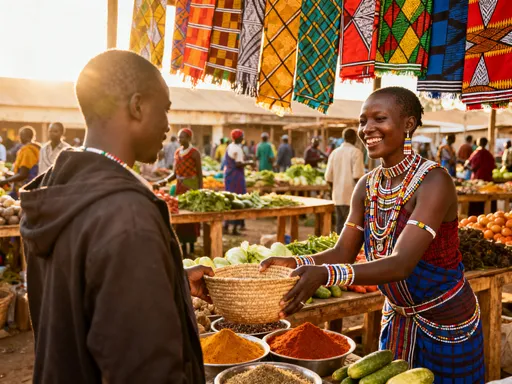
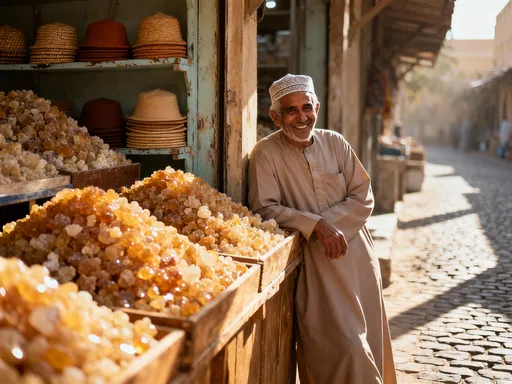
If the soul of a city lives in its markets, then Arusha’s heart beats strongest in its bustling Central Market. This is not a polished shopping district designed for foreign visitors, but a vibrant, chaotic, and deeply authentic space where locals come to buy, sell, and socialize. The moment you step inside, your senses are flooded—spices stack in pyramids of red, yellow, and brown; the sharp tang of dried fish mingles with the sweetness of ripe mangoes; and the rhythmic tapping of hammers shaping metal echoes from a corner where artisans repair pots and pans. Every stall tells a story, and every item carries meaning far beyond its price tag.
The kanga fabrics, sold in bright bundles, are more than just colorful cloth. Each pattern features a Swahili proverb printed along the border—messages like “Moyo ni mmoja” (The heart is one) or “Hakuna matata” (No worries). These aren’t just decorative; they are a form of communication, often gifted between women to convey encouragement, wisdom, or even gentle warnings. Similarly, the intricate beadwork crafted by Maasai artisans isn’t merely ornamental. The colors and patterns signify age, marital status, and social role within the community. A red bead represents bravery, white stands for purity, and blue symbolizes energy. To purchase a piece is to carry a fragment of cultural identity.
For visitors, navigating the market can be overwhelming at first, but it’s also one of the most rewarding experiences in Arusha. Vendors are generally welcoming, often eager to explain the significance of their goods. A simple “habari?” (How are you?) opens doors to conversation. Bargaining is expected, but it should be done with respect and a smile. The goal is not to drive the price down as far as possible, but to engage in a friendly exchange. And while it’s tempting to photograph every vivid scene, it’s important to ask permission first—especially when photographing people. A quick nod or smile can go a long way in building trust.
For those planning a visit, allowing at least half a day to explore the market and its surrounding stalls is highly recommended. Go early in the morning when the air is cooler and the energy is fresh. Bring small bills, wear comfortable shoes, and carry a reusable bag. Most importantly, come with curiosity. The Central Market isn’t just a place to shop—it’s a living archive of tradition, resilience, and community.
Encountering the Maasai: Beyond the Tourist Gaze
One of the most profound experiences Arusha offers is the opportunity to connect with the Maasai people, one of East Africa’s most iconic communities. While many travelers associate the Maasai with staged performances for tourists—dances in front of jeeps or photo ops at roadside stops—Arusha provides access to more meaningful, ethical interactions. On the city’s outskirts, several community-run cooperatives and cultural bomas (homesteads) welcome visitors for immersive experiences that honor tradition while supporting local livelihoods.
A visit to a Maasai boma is unlike any museum exhibit or cultural show. You step into a circular enclosure made of mud, sticks, and cow dung, where families live much as they have for generations. Elders dressed in red shukas (robes) greet guests with deep, resonant voices, sharing stories of their ancestors, their relationship with the land, and the challenges of preserving their way of life in a changing world. Children, curious and bright-eyed, often demonstrate the famous adumu, or jumping dance, leaping high into the air in perfect rhythm. These moments are not rehearsed for entertainment—they are expressions of identity, pride, and continuity.
What sets these visits apart is the emphasis on mutual respect. Unlike commercialized tours, community-led programs ensure that income stays within the village. Guides are often members of the community, speaking both Swahili and English, and eager to share not just facts, but feelings. Language barriers may exist, but laughter, gestures, and shared silences often bridge the gap more effectively than words. Visitors are encouraged to participate—tying a shuka, trying a sip of maziwa lala (fermented milk), or learning a few phrases in Maa, the Maasai language.
These experiences are not without complexity. Some travelers may feel uneasy about the gaze of observation—about being a guest in someone’s home, even with permission. That discomfort is part of the lesson. Ethical cultural tourism isn’t about comfort; it’s about awareness. It’s about recognizing that every interaction carries weight, and that respect must be more than a performance. By choosing visits that are community-led, visitors contribute to sustainable development and help preserve traditions that might otherwise fade. In return, they gain something far more valuable than a photograph: a genuine connection.
Tastes That Tell a Story: A Culinary Walk Through Arusha
To understand a culture, one must taste it. In Arusha, food is not just sustenance—it is memory, identity, and hospitality wrapped in flavor. From street-side breakfasts to family-run eateries tucked down quiet lanes, the city offers a culinary journey that reflects Tanzania’s diverse influences. The coastal Swahili culture, the agricultural richness of the highlands, and the pastoral traditions of the Maasai all find their way onto the plate, creating a cuisine that is both hearty and deeply symbolic.
Mornings in Arusha often begin with mahamri, soft, golden fried dough pastries served warm with a cup of spiced chai. Slightly sweet and pillowy in the center, mahamri are commonly paired with coconut chutney or a side of beans. Nearby, vendors grill chapati over open flames, folding them into flaky layers that disappear quickly in the hands of hungry workers. For a more substantial start, many locals opt for ugali—a firm maize porridge—served with a rich stew of beef, chicken, or greens. This dish, eaten with the right hand, is a staple across East Africa and a testament to the region’s agricultural roots.
By midday, the city’s lunch spots fill with office workers, drivers, and students gathering around communal tables. One popular choice is pilau, a fragrant rice dish cooked with cloves, cinnamon, and cumin, often served with a side of kachumbari (a fresh tomato and onion salad). The spices used in pilau trace back to centuries of trade along the Swahili Coast, where Arab, Indian, and African flavors merged into something entirely new. Another favorite is grilled plantains, known as matoke, served alongside beans or meat. Simple, satisfying, and deeply nourishing, these meals reflect a culture that values sharing and abundance.
For the adventurous eater, maziwa lala, fermented milk, offers a taste of Maasai tradition. Slightly tangy and thick in texture, it’s often consumed with meals or as a refreshment after long walks. While it may take some getting used to, trying maziwa lala is a gesture of openness—a way of saying, “I’m willing to step into your world.” Street food in Arusha is generally safe, especially when purchased from busy stalls with high turnover. Look for vendors who use clean water, cover their food, and handle items with care. And when in doubt, follow the locals—where they eat, you can eat too.
Art, Music, and the Soul of the City
Beyond the markets and meals, Arusha’s creative spirit thrives in its art, music, and performance spaces. This is a city where tradition and modernity dance together, where drumbeats echo through parks and paintings tell stories of ancestry and change. From small galleries to open-air workshops, Arusha nurtures a growing community of artists who use their work to preserve heritage and spark dialogue.
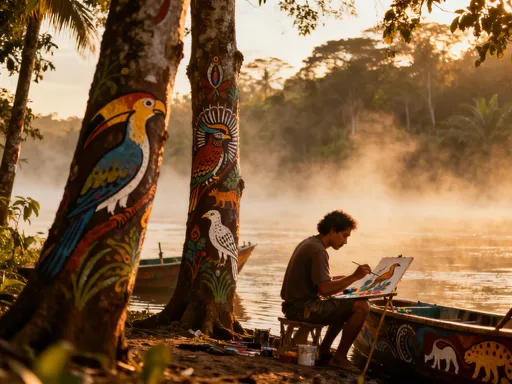
One of the most recognizable art forms in the region is Tingatinga painting, named after its founder, Edward Saidi Tingatinga. These colorful, stylized works depict animals, village scenes, and spiritual motifs in bold outlines and vivid hues. Often painted on recycled board or canvas, they are both decorative and deeply symbolic. In Arusha, several galleries and cooperatives support local artists, ensuring fair pay and creative freedom. Visitors can watch painters at work, learn about the meanings behind common symbols, and even try their hand at a small piece. These interactions are not just transactions—they are exchanges of culture and respect.
Music, too, plays a central role in Arusha’s cultural life. In Uhuru Park, youth drumming groups gather on weekends, their rhythms rising and falling like waves. The ngoma drums, carved from single logs and stretched with animal hide, produce deep, resonant sounds that seem to vibrate through the ground. These drum circles are not performances for tourists—they are practices, celebrations, and acts of community building. Nearby, in cafés and cultural centers, modern bands blend traditional melodies with contemporary genres, creating a sound that is uniquely Tanzanian.
Several cultural centers in Arusha host regular events, from storytelling nights to dance troupes performing traditional routines. These spaces are designed to be inclusive, welcoming both locals and visitors. Attending one of these gatherings offers a rare glimpse into the living culture of Tanzania—one that is not frozen in time, but evolving with grace and intention. For travelers, timing a visit around a festival or weekend event can transform a simple trip into a memorable immersion.
Getting Around and Connecting Meaningfully
Navigating Arusha doesn’t require luxury transport or guided tours—at least not all the time. One of the most authentic ways to experience the city is by riding the dala-dalas, the brightly painted minibuses that serve as the backbone of public transit. These crowded, energetic vehicles offer a front-row seat to daily life. You’ll sit shoulder to shoulder with students, traders, and grandparents, listening to Swahili conversations, gospel music, or the latest Afrobeat hits. While the system may seem chaotic at first, it’s efficient and deeply embedded in the city’s rhythm.
For those unfamiliar with the routes, hiring a local guide—even for a few hours—can make a significant difference. A knowledgeable guide doesn’t just point out landmarks; they explain context. They’ll tell you why a certain market is busiest on Thursdays, why elders gather at a particular tea stall, or what a specific bead pattern means. They’ll help you pronounce Swahili words correctly and introduce you to people you might never meet on your own. More than that, they model the kind of slow, respectful travel that leads to real connection.
One of the simplest yet most powerful ways to engage with Arusha is to slow down. Sit at a roadside chai stand for an hour. Accept an invitation to share a meal. Smile at a child who stares in curiosity. These small acts build bridges. They remind us that travel is not just about seeing new places, but about meeting new people as equals. It’s easy to fall into the habit of treating culture as a spectacle—something to observe, photograph, and move on from. But in Arusha, the most rewarding moments come from participation, not observation.
Ask thoughtful questions. Listen more than you speak. Show gratitude—whether through a kind word, a small gift, or simply by returning a smile. These gestures, though small, carry deep meaning. They signal respect. And in a world where tourism can sometimes feel extractive, they help ensure that your presence leaves something positive behind.
Why Arusha Changes How You See Tanzania
Traveling through Arusha doesn’t just add a destination to your itinerary—it shifts your perspective. It challenges the idea that adventure begins only when you leave the city behind. True discovery, this city reminds us, starts in human connection. It happens in the shared silence of a Maasai elder’s story, in the laughter of children dancing, in the warmth of a stranger offering you a seat on a dala-dala.
Arusha is a microcosm of Tanzania itself—a nation built on diversity, resilience, and hospitality. Here, you see how different communities coexist, how traditions are preserved without being frozen, and how modern life and ancestral values can walk side by side. To experience Arusha deeply is to understand that the soul of a country is not found only in its landscapes, but in its people.
Too many travelers treat this city as a pit stop, a place to sleep before the “real” journey begins. But those who stay, who listen, who engage, find that Arusha is not a prelude—it is the heart of the journey. It teaches patience, presence, and the quiet joy of being part of something larger than yourself.
So when you plan your next trip to Tanzania, don’t just pass through. Pause. Breathe. Let Arusha welcome you. Let it surprise you. Because the most meaningful journeys aren’t measured in miles or photos, but in moments of connection that stay with you long after you’ve returned home. In Arusha, you don’t just see Tanzania—you feel it.