You Won’t Believe These Hidden Viewpoints in Windsor, UK
Windsor, UK, is more than just a royal town—it’s a treasure trove of unseen perspectives. While most visitors flock to the castle, few discover the quiet hilltops, riverside clearings, and tucked-away paths that offer breathtaking views. I stumbled upon these spots by chance, and they completely changed how I saw this historic place. If you’re looking for moments of peace, photo-worthy scenes, or a deeper connection with the landscape, these hidden viewpoints are absolute gems waiting to be explored.
Beyond the Castle Walls
Windsor Castle, with its storied towers and centuries of royal legacy, is undeniably the crown jewel of the town. Yet, its overwhelming presence often overshadows the quieter, more intimate beauty that lies just beyond its stone boundaries. Every day, thousands of tourists stream through its gates, drawn by pageantry and history, but many leave without realizing how much of Windsor remains unseen. The true magic of this town reveals itself not in the grand courtyards or guarded chambers, but in the spaces between—the overlooked lanes, the unmarked footpaths, and the silent corners where nature and history coexist in harmony.
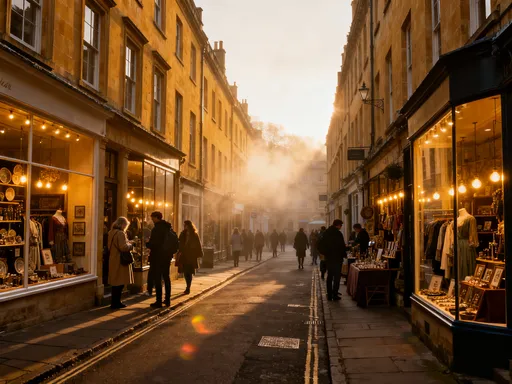
There is a rhythm to Windsor that only emerges when you step away from the guided tours and souvenir shops. The town’s charm deepens when you wander without a map, allowing curiosity to lead you down cobbled alleys that slope gently toward the Thames. It’s in these moments—when the crowd noise fades and the scent of damp earth rises from nearby gardens—that you begin to sense a different Windsor. One that belongs as much to the seasons as it does to the monarchy. This slower, more personal experience invites reflection, observation, and a deeper appreciation for the layers of life that unfold quietly beneath the surface of tourism.
What makes these lesser-known vantage points so powerful is their ability to shift perspective. From a distance, the castle dominates the skyline, but from certain hidden spots, it becomes part of a broader tapestry—one woven with trees, river mist, and the soft glow of morning light. These views don’t diminish the castle’s grandeur; instead, they contextualize it within a living, breathing landscape. For those willing to explore beyond the obvious, Windsor offers not just sightseeing, but a sense of discovery that feels both rare and deeply personal.
The Rise Above: Hidden Hillside Lookouts
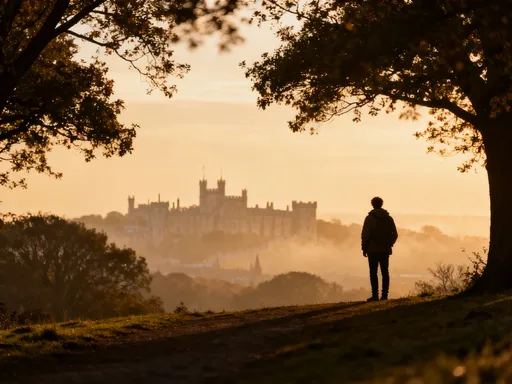
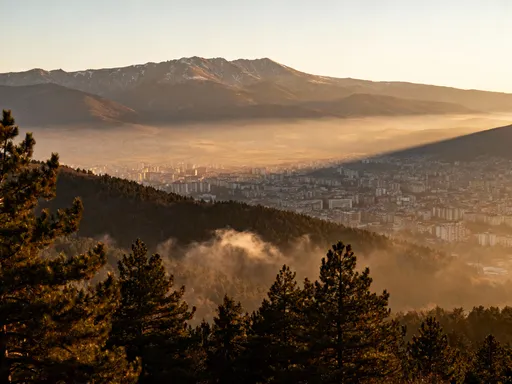
Just a short walk from the bustling High Street, tucked behind residential lanes and leafy avenues, lie a series of gentle inclines that offer some of the most rewarding elevated views in the region. These hillside lookouts are not marked on standard tourist maps, nor do they feature in guidebooks, yet they provide panoramic scenes that rival any postcard image of Windsor. From these quiet perches, the town unfolds like a living diorama—rooftops glowing in the morning sun, church spires piercing the horizon, and the distant silhouette of the castle rising above the tree line.
One such spot can be found along a footpath that winds behind St. John’s Road, where a narrow trail climbs steadily through a copse of beech and hawthorn. After about ten minutes of walking, the trees part to reveal a grassy knoll with an unobstructed view eastward. This is an ideal location for sunrise, when the low light gilds the rooftops and casts long shadows across the valley. The air is often still at this hour, broken only by the distant chime of church bells or the rustle of leaves in a soft breeze. Photographers will appreciate the clarity of the light and the absence of crowds, allowing for uninterrupted compositions that capture the town in its most tranquil state.
Another hidden vantage point lies near the edge of Home Park, accessible via a discreet gate off Sheet Street. Though close to the town center, this area feels remarkably secluded, especially in the early morning or late afternoon. From here, the view stretches across the Thames Valley, with Eton College’s spires visible across the river. On clear days, the curvature of the land becomes apparent, revealing how the town nestles into the natural topography. These hillside spots are not only visually stunning but also emotionally grounding—places where one can pause, breathe, and feel a quiet sense of accomplishment simply for having found them.
Access to these lookouts is straightforward, requiring only comfortable walking shoes and a willingness to explore. Most are reachable within 15 to 20 minutes from central Windsor, making them perfect for a quiet start to the day or a reflective evening stroll. While none are officially designated as tourist attractions, their presence is known among locals, who often visit for solitude rather than spectacle. This sense of shared but unspoken knowledge adds to their allure—these are not places to conquer, but to cherish.
River Thames from the Shadows
The River Thames is Windsor’s quiet companion, flowing steadily past the town with a grace that often goes unnoticed amid the royal fanfare. While the main promenade along Thames Street draws the majority of visitors, quieter stretches of the river offer a more intimate experience—one defined by stillness, natural beauty, and the gentle rhythm of water against the bank. These lesser-visited sections provide some of the most poetic views in the area, where the river reflects the sky like polished glass and herons stalk the shallows in patient silence.
One such stretch lies just downstream from Boveney Lock, accessible via a narrow footpath that begins near the Windsor Golf Club. This path follows the river’s edge through a corridor of willows and alders, their branches dipping into the water with the weight of age. After a ten-minute walk, a small wooden bench appears—unmarked and weathered, clearly placed by someone who values the spot. From here, the view opens to a bend in the river where the current slows, creating mirrored reflections of clouds and trees. In autumn, the water takes on a copper hue, and fallen leaves drift like embers across the surface. It is a place of stillness, where even the sound of footsteps seems too loud.
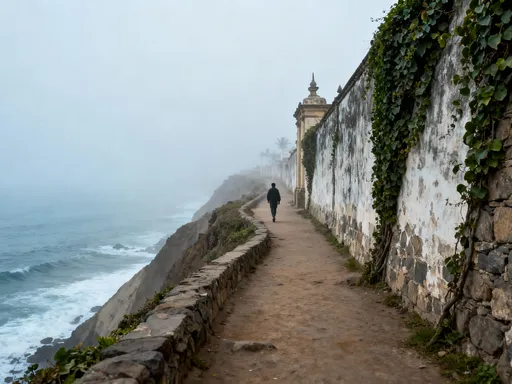
Another hidden riverside clearing can be found near the far end of Romney Lock, where a quiet access point leads to a grassy bank seldom visited by tourists. This area is particularly striking in the early morning, when mist hovers just above the water, blurring the line between river and sky. The light at this hour is soft and diffused, perfect for photography or quiet contemplation. Unlike the busy sections of the riverfront, this spot feels untouched, as though time moves more slowly here. Local anglers sometimes pass by, casting their lines with practiced ease, but conversation is rare—this is a place for listening, not speaking.
What makes these riverside viewpoints special is not just their beauty, but their ability to evoke a sense of timelessness. The Thames has flowed through Windsor for centuries, witnessing changes in monarchy, industry, and daily life, yet its essence remains unchanged. To sit beside it in these quiet moments is to connect with something deeper than history—it is to feel the continuity of nature, the quiet persistence of water shaping the land. For visitors seeking respite from the pace of modern travel, these hidden banks offer a sanctuary where the mind can rest and the spirit can recharge.
Through the Trees: Viewpoints in Windsor Great Park
Windsor Great Park, spanning over 5,000 acres of woodland, meadows, and ornamental gardens, is a landscape shaped by centuries of stewardship. While many visitors head straight for the Long Walk or the ornamental gardens near the castle, fewer venture into the park’s more secluded zones—areas where the trees grow dense, the paths grow narrow, and the sense of discovery returns. These quieter corners offer some of the most expansive and serene viewpoints in the region, where sweeping vistas unfold unexpectedly, framed by ancient oaks and dotted with grazing deer.
One of the most breathtaking clearings lies near the southern edge of Virginia Water, accessible via a footpath that branches off from the main car park. After a twenty-minute walk through pine and birch woodland, the path opens onto a grassy plateau that overlooks the lake from an elevated vantage. On calm mornings, the surface of Virginia Water becomes a perfect mirror, reflecting the sky and surrounding trees with such clarity that it’s difficult to tell where water ends and air begins. The famous Leptis Magna Ruins, often photographed up close, take on a new character when viewed from this distance—smaller, more mysterious, and framed by nature’s grandeur.
Mornings here are particularly magical. The park is often blanketed in mist, which clings to the low-lying areas and drifts slowly across the lake. As the sun rises, it burns through the fog, revealing the landscape in layers—first the trees, then the water, then the distant hills. Red and fallow deer move quietly through the underbrush, their presence announced only by the soft crunch of leaves underfoot. These moments feel private, as though the park has granted a rare audience to those who arrive early and move quietly.
Another hidden gem lies along the path leading to Obelisk Pond, a tranquil body of water surrounded by beech woodland. From a small rise just before the pond, the view stretches across a wide meadow where horses often graze under the watchful eye of a groom. This is not a manicured landscape, but one that feels alive and dynamic—shaped by wind, water, and the rhythms of the seasons. The sense of space is overwhelming, a reminder of how rare it is to experience true openness in a world of constant connectivity. For families, couples, or solo travelers seeking peace, these viewpoints in Windsor Great Park offer not just beauty, but a profound sense of calm.
Architectural Perspectives with a Twist
Windsor’s most iconic structures—its castle, its churches, its historic homes—are familiar to millions through photographs and documentaries. Yet, seeing them from an unexpected angle can transform the familiar into something entirely new. These architectural perspectives, often overlooked, reveal details that daylight tours and standard viewpoints miss. A reflection in a rain puddle, a glimpse through a veil of autumn leaves, or a silhouette against a twilight sky—these are the moments that turn observation into art.
One such moment occurs on a quiet lane behind All Saints’ Church, where a narrow alley provides a framed view of the castle’s Round Tower rising through a corridor of sycamore trees. In spring, when the leaves are fresh and translucent, the tower appears to float above a sea of green. In winter, the bare branches create a latticework that fractures the stone facade into abstract patterns. This vantage point is rarely crowded, allowing for long, contemplative observation. It invites the viewer to consider not just what they are seeing, but how they are seeing it—how light, season, and framing alter perception.
Another striking perspective can be found near the edge of the Home Park, where a small depression in the ground collects rainwater after a storm. For a brief window before the puddle evaporates, it becomes a natural mirror, reflecting the castle’s battlements upside down in shimmering detail. Capturing this image requires patience and timing, but the result is a photograph that feels both surreal and deeply rooted in place. These fleeting opportunities remind us that beauty is not always permanent—sometimes, it is transient, waiting to be noticed before it disappears.
Changing one’s vantage point is not just a photographic technique; it is a mindset. It encourages slow looking, curiosity, and a willingness to see the world differently. For visitors who have already seen the castle from the front, these alternative views offer a chance to rediscover it. They suggest that even the most well-documented places hold secrets for those who are willing to look closely, wait patiently, and appreciate the details that others overlook.
When to Go: Chasing Light and Quiet
The experience of visiting these hidden viewpoints is deeply influenced by timing. While Windsor is beautiful year-round, certain seasons and times of day elevate the experience from pleasant to unforgettable. Early mornings, particularly in summer and autumn, offer the clearest light and the fewest visitors. At dawn, the air is crisp, the mist lingers in the valleys, and the world feels hushed, as though the town is still waking up. This is the ideal time for photography, when the soft golden light enhances textures and colors without the harsh contrast of midday sun.
Autumn brings its own magic. The changing foliage transforms the landscape into a tapestry of amber, crimson, and gold. The light becomes more diffused, filtering through the thinning canopy in delicate patterns. Mornings during this season often begin with a light frost, which sparkles on the grass and adds a crystalline quality to the air. These conditions create a sense of intimacy, drawing attention to small details—a single leaf floating on the river, the outline of a deer against the mist, the reflection of a spire in a dew-covered window.
Winter, though colder, offers unparalleled clarity. With fewer tourists and bare trees, the lines of the landscape become more defined. On clear days, visibility extends for miles, and the low angle of the sun casts long, dramatic shadows. Snow, though rare, can transform the park and riverside into a monochrome dreamscape, where sound is muffled and movement feels sacred. Even on overcast days, the soft gray light can enhance mood and atmosphere, making it ideal for reflective walks and contemplative pauses.
For those planning their visits, tools that estimate sunrise times and crowd levels can be helpful, though the best strategy is often simply to arrive early and move with intention. The goal is not to check off locations, but to be present in them. By aligning visits with the natural rhythms of light and season, travelers can deepen their connection to the place and carry away memories that feel not just seen, but felt.
How to Explore Responsibly
Part of what makes these hidden viewpoints so special is their sense of untouched serenity. They remain peaceful because they are not overrun, and they retain their charm because they are treated with care. As more people seek out these quiet corners, it becomes increasingly important to explore with respect and mindfulness. Staying on marked paths, avoiding private property, and leaving no trace are not just recommendations—they are responsibilities for anyone who values these spaces.
Walking off-trail may seem harmless, but it can damage fragile ecosystems, disturb wildlife, and erode the very beauty visitors come to admire. Similarly, leaving litter, even biodegradable items like fruit peels, disrupts the natural balance and detracts from the experience of others. The goal should always be to pass through without leaving a mark, to observe without interfering, and to appreciate without taking. These places are not attractions to be consumed, but sanctuaries to be honored.
Respect also means respecting other visitors. Speaking quietly, keeping dogs on leashes, and avoiding loud music help preserve the tranquility that draws people to these spots in the first place. It means choosing patience over convenience—waiting for a deer to cross, allowing a lone walker space on the path, or sitting in silence rather than rushing to the next destination. Slow, mindful exploration fosters a deeper connection not only to the landscape but to oneself.
Ultimately, the magic of these hidden viewpoints lies in their ability to offer stillness in a world that rarely allows it. By visiting with care, travelers help ensure that these places remain places of peace for generations to come. The reward is not just in the views themselves, but in the knowledge that one has witnessed something rare and protected its quiet beauty simply by being present in the right way.
These hidden viewpoints don’t just show you Windsor—they let you feel it. In a world of fast travel and crowded attractions, finding stillness and beauty in unexpected corners is a gift. By stepping slightly off the map, you gain not just photos, but moments that linger. Windsor’s true charm isn’t just in its history, but in the quiet places where the past and nature breathe together. Go find them.