You Won’t Believe This Hidden Festival Scene Along South Africa’s Garden Route
If you think the Garden Route is just about forests, beaches, and scenic drives, think again. I stumbled upon something most travelers never see—vibrant, off-the-beaten-path festivals that pulse with local soul. From coastal town celebrations to mountain village gatherings, these events reveal the true rhythm of the region. It’s not just travel—it’s connection, music, flavor, and color, all rolled into one. This is festival culture you can’t find in any guidebook. Away from crowded tourist circuits, tucked into quiet towns and rural valleys, communities come alive with seasonal joy, shared traditions, and a warmth that no brochure could ever capture. These moments are fleeting, genuine, and deeply moving—an invitation to witness South Africa not as a destination, but as a living, breathing story.
Discovering the Unexpected Heart of the Garden Route
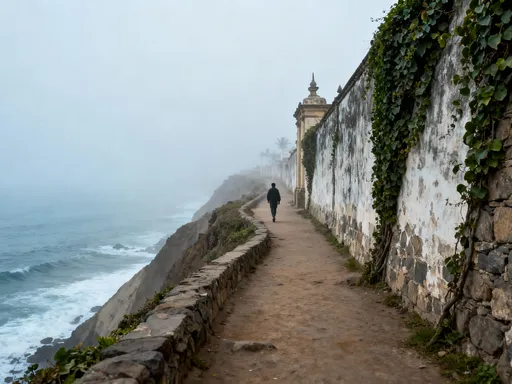
The Garden Route stretches over 300 kilometers along South Africa’s southern coast, linking Mossel Bay in the west to Storms River in the east. For decades, it has drawn visitors with its dramatic cliffs, ancient indigenous forests, and turquoise waters lapping against golden shores. Travelers come for the panoramic views from the Swartberg Pass, the thrill of bungee jumping at Bloukrans Bridge, or the serenity of hiking through Tsitsikamma National Park. These attractions are undeniably beautiful, but they only tell half the story. Beyond the well-trodden trails and popular viewpoints lies a quieter, more intimate side of the region—one defined not by landscapes alone, but by people.
Scattered throughout the towns and villages are small, seasonal festivals that embody the cultural heartbeat of the Garden Route. These are not mass-produced events designed for viral photos or influencer content. Instead, they emerge organically from local life—harvest celebrations, music gatherings, heritage days, and community fundraisers that bring neighbors together. In places like Riversdale, Albertinia, or Nature’s Valley, residents open their doors to visitors not as customers, but as guests. The atmosphere is unhurried, authentic, and deeply welcoming. To attend one of these festivals is to step beyond the role of observer and into the rhythm of daily life, where stories are shared over shared meals and music flows as naturally as conversation.
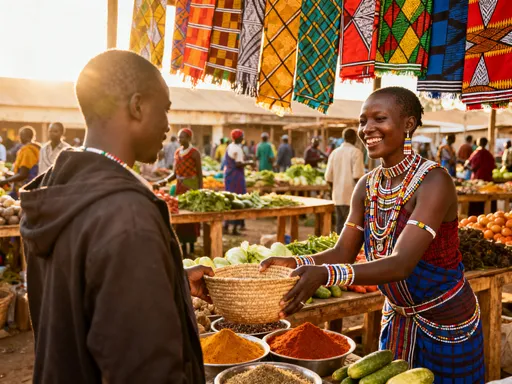
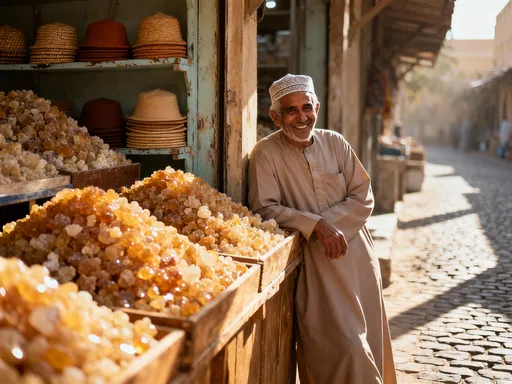
What makes these festivals so transformative is their ability to shift the focus of travel from consumption to connection. Rather than ticking off landmarks, travelers engage with traditions, meet artisans, and taste food prepared with generations of knowledge. A simple market stall might offer handmade beaded jewelry reflecting Xhosa symbolism, while a nearby stage features a band blending traditional rhythms with contemporary folk. These experiences do not require grand stages or celebrity performers—they thrive on sincerity and community pride. For the discerning traveler, especially those seeking meaningful, slower journeys, these gatherings offer a rare window into the soul of a place.
The Magic of Local Festivals: Where Culture Comes Alive
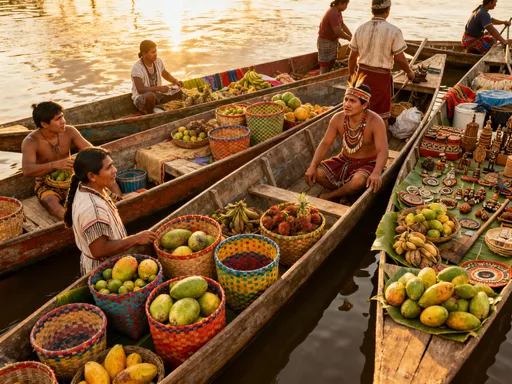
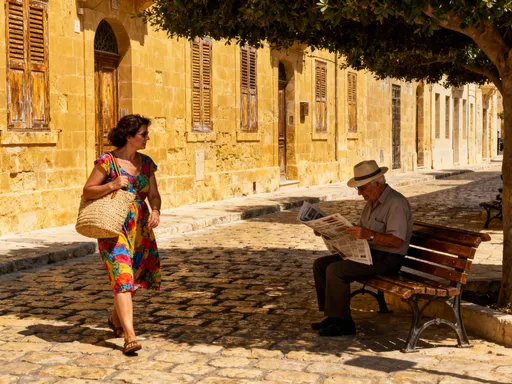
Imagine walking into a sun-drenched village square where the air hums with music, laughter, and the rich aroma of slow-cooked stews. Children dart between tables stacked with hand-painted ceramics and woven baskets, while elders sit under shade trees, clapping along to a drummer’s beat. This is the essence of a local festival along the Garden Route—unpolished, alive, and deeply human. These events are not performances for tourists; they are expressions of identity, joy, and resilience. The music often blends indigenous Xhosa melodies with Afrikaans folk tunes and coastal jazz influences, creating a soundscape as diverse as the region itself.
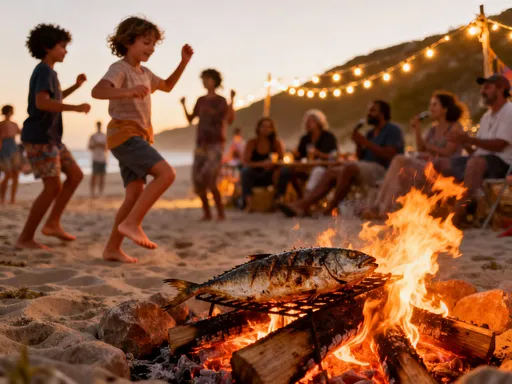
Food plays a central role, acting as both sustenance and storytelling. At outdoor stalls, cooks prepare bobotie—a spiced minced meat dish baked with a golden egg topping—using family recipes passed down for decades. Freshly grilled snoek, a local fish often cooked over open fires, fills the air with a smoky sweetness. Vegetarian options include umngqusho, a comforting blend of samp and beans, or pumpkin stew simmered with herbs from backyard gardens. Every bite carries the imprint of history, climate, and community. Unlike commercial food courts or standardized restaurant menus, these meals are made in small batches, often by women who have spent the morning preparing ingredients with care and intention.
What sets these festivals apart is the absence of corporate branding and mass tourism infrastructure. There are no loud advertisements, no entry fees, and rarely any formal seating. Instead, visitors bring their own chairs or sit on blankets, sharing space with locals as equals. Craft vendors sell goods not for profit margins, but to preserve skills and support families. A weaver might explain how each pattern in her basket represents a different life event—birth, marriage, harvest. A woodcarver demonstrates how he uses only fallen timber, respecting the forest’s balance. These interactions foster mutual understanding and appreciation, turning brief encounters into lasting memories.
Knysna Oyster Festival: More Than Just Seafood
Among the many festivals along the Garden Route, the Knysna Oyster Festival stands out as a rare example of an event that has grown in popularity without losing its authenticity. Held annually in late June or early July, it coincides with the opening of the oyster harvesting season in the Knysna Lagoon—a brackish estuary known for producing some of the finest oysters in the country. While seafood is undoubtedly a highlight, the festival offers much more than a culinary showcase. It is a celebration of community, sport, art, and environmental stewardship, drawing thousands of visitors while remaining deeply rooted in local life.
The event spans ten days and features a carefully curated mix of activities. Gourmet food tents allow visitors to sample oysters prepared in dozens of ways—from classic champagne mignonette to smoked butter glazes. But alongside the tastings are live music performances, art exhibitions, and a popular outdoor market featuring regional wines, cheeses, and handmade goods. One of the festival’s signature events is the Knysna Forest Marathon, a challenging trail run through indigenous woodland that attracts serious athletes and casual hikers alike. There are also family-friendly activities like kiddies’ fun runs, craft workshops, and boat parades on the lagoon.
What makes the Knysna Oyster Festival sustainable—both culturally and environmentally—is its commitment to responsible practices. Oyster farming in the area follows strict ecological guidelines to protect the lagoon’s delicate ecosystem. Harvesting is limited to specific months, and only certified farms are allowed to participate. Local organizers work closely with marine biologists and conservation groups to ensure that tourism does not harm the natural environment. Additionally, a portion of the festival’s proceeds supports community development projects, including youth programs and small business grants. This balance of celebration and responsibility ensures that the event enriches rather than exploits the town it calls home.
Hidden Gems: Small-Town Celebrations You’ve Never Heard Of
While Knysna draws the crowds, some of the most memorable festival experiences occur in quieter corners of the Garden Route. In Wilderness, a peaceful town nestled between lakes and dunes, the annual River Feast brings residents together for a lakeside dinner under the stars. There is no formal program—just long tables set up along the shore, communal grills sizzling with local fish, and impromptu music from neighbors with guitars and djembes. Children build sandcastles as the sun sets, and elders share legends of the Kaaimans River. The event is organized by volunteers and funded through small donations, making it a true expression of community spirit.
Further east, in the agricultural town of Heidelberg, the annual Produce Festival celebrates the region’s farming heritage. Held in late summer, it showcases seasonal fruits, vegetables, and dairy products from family-run farms. Visitors can sample fresh figs, artisanal yogurts, and homemade preserves while watching demonstrations on sustainable farming techniques. Local chefs host cooking classes using only ingredients grown within a 50-kilometer radius. What makes this event special is its educational value—attendees leave not only with full stomachs but with new knowledge about where their food comes from and how it is grown.
Even smaller gatherings, like Plettenberg Bay’s monthly Community Market, offer rich cultural insights. Though not a festival in the traditional sense, these markets function as social hubs where music, food, and craft converge. On any given Saturday, you might hear a Xhosa choir singing acapella, watch a potter shaping clay on a hand-turned wheel, or taste a samosa filled with curried lentils and apricots. There are no entry barriers—just an open invitation to participate. These events may lack the scale of international festivals, but they possess a sincerity and warmth that larger productions often miss. They remind us that celebration does not require spectacle; it only requires presence.
Why These Festivals Matter for Travelers and Communities
The value of attending local festivals extends far beyond personal enjoyment. For travelers, these experiences offer a deeper, more respectful way to engage with a destination. Rather than viewing culture as something to be observed from a distance, participants become part of a shared moment. This shift—from passive tourism to active involvement—fosters empathy, understanding, and long-term appreciation. It also challenges the notion that meaningful travel requires luxury accommodations or exclusive access. Some of the most profound journeys begin at a simple village gathering with no agenda other than to celebrate life.
For host communities, the presence of respectful visitors provides tangible benefits. Small vendors earn income that supports their families. Artisans gain recognition for their skills. Local musicians find new audiences. Most importantly, these festivals help preserve traditions that might otherwise fade in the face of modernization. When young people see elders teaching dance steps or preparing traditional dishes, they are more likely to carry those practices forward. Tourism, when done mindfully, becomes a tool for cultural continuity rather than erosion.
However, this mutual benefit depends on responsible behavior. Travelers should approach these events with humility and respect. This means dressing modestly when appropriate, asking permission before taking photographs, and supporting local vendors rather than imported goods. It also means minimizing environmental impact—using reusable containers, avoiding single-use plastics, and leaving spaces as they were found. By traveling with intention, visitors honor the generosity of their hosts and contribute to the sustainability of these precious traditions.
How to Find and Join These Experiences
Locating these festivals requires a different approach than booking a standard tour. They are rarely advertised on global travel platforms or featured in mainstream guidebooks. Instead, the best sources are local and community-driven. Municipal websites for towns along the Garden Route often list upcoming events, including smaller gatherings that may not appear on national calendars. Regional tourism boards, such as the Garden Route Biosphere Reserve or CapeNature, maintain updated event pages and social media channels where announcements are posted months in advance.
Another effective method is word of mouth. Guesthouse owners, B&B hosts, and local shopkeepers are often deeply connected to community life and can provide insider information. A simple question like, “Are there any local events happening during my stay?” can lead to unexpected invitations. Some hosts even organize private transport or group outings to nearby festivals, enhancing the sense of belonging for their guests.
Timing is also crucial. Most festivals occur between late spring and mid-summer—November through February—when weather conditions are favorable and harvests are abundant. However, certain events, like the Knysna Oyster Festival, take place in winter to align with seasonal cycles. Planning a trip around these dates increases the chances of experiencing a festival firsthand. When packing, travelers should bring practical items: comfortable walking shoes for uneven terrain, a reusable water bottle to reduce waste, and cash, as many small vendors do not accept cards. An open mind is perhaps the most essential item—willingness to embrace spontaneity, try unfamiliar foods, and engage with people from different backgrounds.
Beyond the Festival: Carrying the Spirit Forward
The impact of these festival experiences does not end when the music stops or the last plate is cleared. For many travelers, especially women in their 30s to 50s who seek meaningful connections and personal growth, these moments become touchstones—memories that shape future journeys and daily perspectives. The laughter shared with a grandmother baking bread, the rhythm of a drum circle under the stars, the taste of a meal made with love and tradition—these are not fleeting pleasures. They are reminders of what travel can be at its best: a bridge between lives, a celebration of diversity, and a reaffirmation of our shared humanity.
These festivals also inspire a shift in how we view tourism itself. Instead of chasing checklists or photo opportunities, we begin to value presence over productivity, connection over convenience. We learn to slow down, listen deeply, and appreciate the quiet dignity of everyday life. This mindset extends beyond South Africa—it influences how we travel anywhere, and even how we live at home. We become more curious, more grateful, and more willing to step outside our routines in search of genuine encounters.
So the next time you plan a trip, consider looking beyond the obvious sights. Seek out the local harvest day, the neighborhood music night, the community market where life unfolds without script or stage. Let your journey be guided not by algorithms or rankings, but by the pulse of human connection. The Garden Route offers breathtaking scenery, yes—but its true magic lies in the moments between the views, in the laughter, the music, the shared meals, and the quiet understanding that we are all part of something larger. That is the spirit worth carrying forward—one celebration at a time.