What If Your Phone Could Know What You Really Need to Save?
We’ve all been there—fumbling through old messages, photos, and notes after losing a phone, only to realize something precious is gone forever. It’s not just data; it’s memories, plans, little pieces of our daily lives. What if your phone could back itself up not just automatically, but intelligently—saving what truly matters to you? Not everything gets equal attention, so why should your backup? Imagine a system that knows your favorite photo isn’t the one with perfect lighting, but the blurry shot of your daughter laughing at breakfast. Or the voice note from your mom that you’ve replayed a hundred times. This isn’t science fiction. It’s the next step in how we protect the digital pieces of our lives—pieces that hold real emotion, meaning, and connection.
The Heartbreak of Losing More Than Just Files
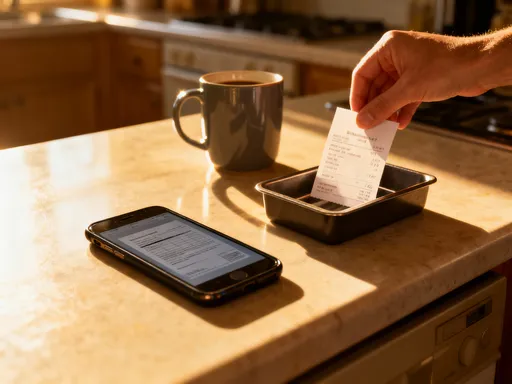
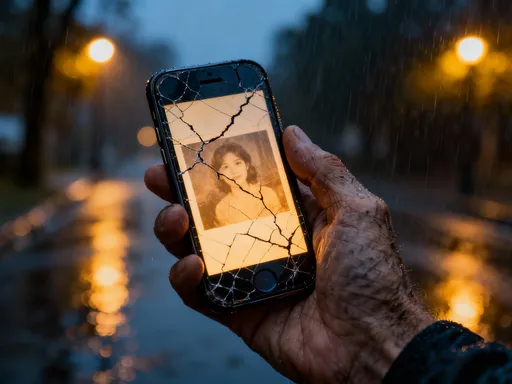
Let’s start with a moment most of us dread: that sudden splash of coffee across the kitchen counter, followed by silence from your phone. You grab it, heart pounding, wiping frantically. The screen flickers. Then nothing. You try charging it. Nothing again. That sinking feeling? It’s not just about the cost of a new device. It’s about what’s inside. The photos from your son’s birthday last weekend. The video of your dog chasing leaves in the yard. The voice memo you recorded of your grandmother telling that same story she’s told for years—one you didn’t realize was the last time she’d tell it clearly. These aren’t just files. They’re fragments of your life, captured in pixels and sound.
I remember a friend who dropped her phone in the bathtub. The device was gone in seconds. But the real loss came later, when she realized her cloud backup hadn’t saved the last two weeks of photos—because she hadn’t enabled auto-sync that day. Among them? A picture of her daughter’s first loose tooth, gap-toothed grin beaming at the camera. That image wasn’t backed up. It was gone. She didn’t cry over the phone. She cried over the memory. And that’s the truth we don’t talk about enough: our phones have become emotional archives. They hold more than apps and contacts. They hold our history, our connections, our quiet joys. When we lose them without a smart backup, we’re not just losing data—we’re losing parts of our story.
And it’s not just photos. Think about the recipe app where you saved your mother’s lasagna recipe, with your own notes scribbled in the margins. Or the notes folder with your dream vacation ideas, collected over years. Or the calendar reminders for your kids’ school events, doctor appointments, and parent-teacher meetings. These aren’t random bits of information. They’re the scaffolding of your daily life. Without them, you feel unmoored. You start asking, Did I save that? Did I write it down? Where did I put that file? That mental load adds up. That’s why a backup system that only copies everything equally isn’t really protecting you. It’s just moving clutter from one place to another. What we need isn’t more storage. We need smarter care.
Why One-Size-Fits-All Backup Falls Short
Most backup systems today work like a dutiful but clueless assistant. They follow orders to the letter: Copy everything. Don’t ask questions. So they save every downloaded email attachment, every cached map from your morning commute, every temporary file from an app you used once and forgot. Meanwhile, the photo of your child’s first school play—the one you looked at three times yesterday—gets the same treatment as a screenshot of a spam ad. It’s all just data. But you and I both know: not all data is created equal.
This one-size-fits-all approach has real consequences. First, it wastes space. Cloud storage isn’t infinite, and many of us hit limits faster than we expect. When your backup is bloated with junk, you either pay more or start deleting things—maybe even things you didn’t realize were important. Second, it wastes time. Restoring from a full backup can take hours, especially if you’re setting up a new phone in a hurry. And when it’s done, you’re left sifting through everything, trying to find what actually matters. It’s like unpacking a moving truck where every box is labeled “miscellaneous.” You know your favorite mug is in there somewhere, but good luck finding it.
And here’s the deeper issue: generic backups don’t understand your life. They don’t know that you open your family photo album every Sunday night. They don’t notice that you’ve saved three messages from your sister about planning a trip. They don’t see that you’ve rewatched a video of your puppy’s first snowfall more than any other clip. Without that awareness, they can’t prioritize. So when disaster strikes, the system doesn’t protect what you love most—it just protects what takes up the most space. That’s not protection. That’s preservation without purpose. And in a world where our digital lives are so tightly woven into our real ones, we deserve better.
The Rise of Smart, Personalized Backup Systems
Now, imagine a different kind of backup. One that doesn’t just copy, but understands. This is the promise of smart, personalized backup systems—technology that learns from how you use your phone. It watches—not in a creepy way, but in a quietly observant way—what you open often, what you save, what you share, and what you come back to again and again. Over time, it builds a picture of what matters to you. And when it’s time to back up, it doesn’t treat everything the same. It says, This photo gets priority. This conversation thread is important. This note about your daughter’s allergy? Save it first.
These systems use machine learning, a type of artificial intelligence that improves with experience. But you don’t need to understand the tech to benefit from it. Think of it like a librarian who gets to know your reading habits. At first, they just shelve books. But over time, they notice you always check out gardening guides in spring and holiday recipes in December. So when new titles arrive, they save one for you. That’s the kind of relationship we’re talking about—a digital helper that learns your rhythms and responds with care.
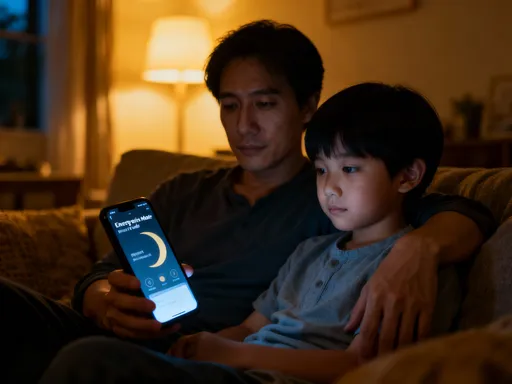
Some newer phones and cloud services are already moving in this direction. They track which apps you use most, which photos you’ve starred or shared, and which messages you’ve pinned. They use that data to create a “priority vault” of your most meaningful content. If your phone dies, this vault is restored first. The rest can wait. It’s not about saving everything at once. It’s about saving what you’ll miss most, right away. And that shift—from storage to significance—is what makes this technology feel human. It’s not cold logic. It’s quiet attention. It’s the difference between a robot and a friend.
How Personalization Makes Recovery Effortless
Let’s picture this: you get a new phone. You turn it on, sign in, and within minutes, your most-used apps are downloading. Your wallpaper is back. Your recent photos are already showing in your gallery—especially the ones from last weekend’s family picnic. Your calendar is up to date. Even your typing suggestions feel familiar, because your personal phrases and shortcuts have been restored. It’s like the new phone already knows you.
That’s the magic of personalized recovery. Instead of a generic restore that dumps everything into place, it tailors the process to your life. It doesn’t just give you back your data—it gives you back your routine. No more spending an hour reinstalling apps, searching for photos, or trying to remember which cloud folder holds your tax documents. The system already knows. It knows you open your banking app every Monday. It knows you check your kids’ school calendar every morning. So it makes sure those are ready first.
This isn’t just about convenience. It’s about emotional relief. When you’re stressed—maybe you lost your phone in a moment of chaos, or you’re juggling too much at home—the last thing you need is more mental work. A smart backup removes that burden. It says, You don’t have to remember everything. I’ve got it. It’s like moving into a new house and finding your favorite blanket folded on the bed, your coffee mug in the kitchen, and your daughter’s drawing already taped to the fridge. That feeling of being seen, of being cared for—it’s powerful. And when technology delivers it, it stops feeling like a tool. It starts feeling like support.
Building a Backup That Grows With You
The best part? These systems don’t stay stuck in the past. They evolve. Life changes, and your backup should too. Maybe you start a new job and suddenly your calendar is full of meetings. Maybe you take up hiking and your photo gallery fills with mountain trails. Maybe you’re planning a wedding or a big family reunion. A smart backup notices these shifts. It sees the new patterns. And it adjusts.
For example, if you’ve been saving a lot of voice memos lately—maybe practicing speeches or recording ideas for a project—the system might start backing those up more frequently. If you’ve been sharing more photos with a particular family member, it might prioritize those albums. It’s not guessing. It’s learning. And over time, it becomes less like a feature and more like a quiet presence—one that remembers what you care about, even when you’re too busy to notice.
This adaptability is what sets personalized backup apart from older systems. Traditional backups are static. They do the same thing every day, whether your life has changed or not. But a smart system is dynamic. It’s responsive. It’s like having a garden that grows with the seasons, rather than a plastic plant that looks the same year-round. And that’s important, because our digital lives aren’t fixed. They’re alive. They shift with our moods, our roles, our dreams. A backup that grows with you isn’t just practical. It’s respectful. It honors the fact that your life isn’t a spreadsheet—it’s a story, still being written.
Simple Steps to Start Smarter Today
You might be thinking, This sounds great, but do I need the latest phone or a fancy subscription? Not at all. You can start building a smarter backup system today, with the device you already have. It’s not about having the newest tech. It’s about using what you have with a little more intention.
First, check your current backup settings. On most phones, you can find this under Settings > Google Account or Apple ID > iCloud or Backup. Make sure auto-backup is turned on. But go a step further: look for options like “adaptive backup” or “smart backup.” Some newer systems let you choose what gets priority. If you see an option to back up “frequently used apps” or “favorite photos” first, turn it on. These small settings make a big difference.
Next, organize your most important content. Create a folder labeled “Family Memories” or “Important Notes” and move key photos, videos, and documents there. Some cloud services use folder names and labels to identify what’s valuable. The more you help the system understand your priorities, the better it can protect them. You can also star or favorite important messages in your inbox or messaging apps. These small actions signal to the system, This matters to me.
Finally, choose a cloud service that supports behavioral learning. Not all do. But major platforms like Google One and iCloud are increasingly using AI to personalize backups. If you’re shopping for a new service, look for ones that mention “smart organization,” “photo suggestions,” or “adaptive storage.” These are signs they’re investing in intelligence, not just space. And remember, you don’t have to do everything at once. Start with one step—turn on auto-backup, create one folder, label a few messages. Small actions build big protection over time.
Peace of Mind That’s Quietly Always There
At the end of the day, the real benefit of smart backup isn’t technical. It’s emotional. It’s that quiet sigh of relief when you realize, I don’t have to worry about that anymore. No more double-checking if the photos uploaded. No more panic when your phone slips from your hand. No more lying awake thinking, Did I save that recipe? That note? That video? That mental load lifts. And in its place, you gain something precious: peace.
Peace isn’t flashy. It doesn’t show up in screenshots or feature lists. But it’s there, in the background, like the hum of a well-tuned engine. It’s in the confidence that your memories are safe. That your plans are secure. That your digital life is protected in a way that respects how you actually live. That’s not just efficiency. That’s care. And when technology delivers care, it stops being cold machinery. It becomes a quiet ally in your daily life.
Think about all the things you do to protect your family—installing smoke detectors, keeping a first-aid kit, saving for the future. A smart backup is part of that same instinct. It’s a way of saying, I value this. I want to keep it safe. And the best part? Once it’s set up, it works without you having to think about it. It’s not another chore. It’s one less thing to worry about.
So yes, technology can be overwhelming. New apps, new updates, new gadgets—it’s a lot. But at its best, tech isn’t about complexity. It’s about simplicity. It’s about removing friction, reducing stress, and giving you more space to live. A phone that knows what you really need to save isn’t just smart. It’s kind. And in a world that often feels too fast, too loud, too much—kindness, even in the form of a backup system, is exactly what we need.