It’s Not Just About Scanning: How Document Recognition Cleared the Chaos in My Life
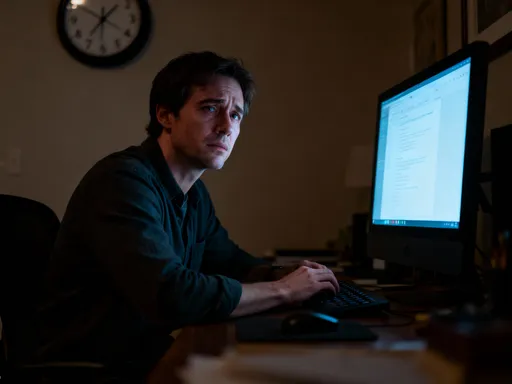
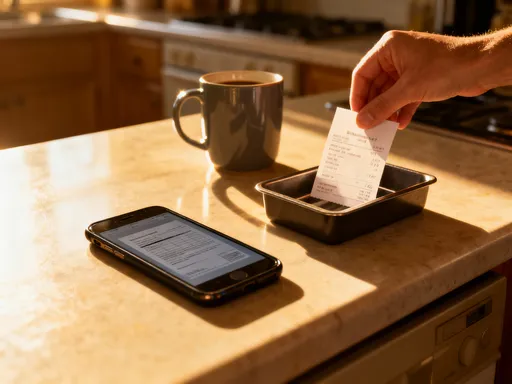
Have you ever stood in your kitchen, phone in one hand, coffee in the other, desperately trying to find a receipt before the store’s return window closed? I have—and more times than I’d like to admit. Paper piles, blurry photos, and lost forms used to be my normal. I’d flip through stacks of mail, dig through drawers, and still come up empty. That constant low hum of stress—am I missing something important?—was just part of being a busy mom, right? Wrong. Then I discovered document scanning and recognition, not as a tech gimmick, but as a quiet game-changer. It didn’t just digitize pages—it transformed how I communicate, organize, and breathe easier every day.
The Paper Problem No One Talks About
Let’s be honest—no one wakes up dreaming of organizing paperwork. But somehow, it finds us. School permission slips, insurance bills, appliance warranties, medical records, tax documents, camp forms, birthday party invites with RSVPs due yesterday. They pile up on the counter, slip into coat pockets, get tucked into backpacks, and vanish. We don’t talk about how much mental space this chaos takes up. It’s not just clutter—it’s guilt. Guilt for not being on top of things. Guilt for making your partner chase down a missing form. Guilt for nearly missing your child’s flu shot because you couldn’t find last year’s record.
I remember one Saturday morning, rushing to pack swim gear for my son’s first swim meet. He needed proof of vaccination to participate. I tore through the house—junk drawer, filing cabinet, the accordion folder labeled “Important,” which, of course, held mostly expired coupons. My hands were shaking. My husband was already annoyed. My son was asking, “Are we late?” And then I remembered—last month, during a quiet evening, I’d taken a photo of all his medical records and uploaded them to a scanning app. I pulled out my phone, typed “vaccination,” and there it was—clear, searchable, and ready to go. We made it to the meet with minutes to spare. That moment wasn’t just about saving time. It was about reclaiming peace. I realized the problem wasn’t me. It wasn’t that I was disorganized or forgetful. The system was broken. Paper fades, gets lost, and weighs you down. But what if we didn’t have to rely on paper anymore?
From Frustration to Clarity: How Scanning Changed Daily Conversations
Before I started scanning, so many of my conversations with my family started with frustration. “Did you see the insurance letter?” “Where’s the school form?” “I thought you said you mailed that check!” These weren’t arguments about the papers themselves—they were arguments about trust, responsibility, and feeling heard. Misplaced documents created misunderstandings that echoed through the whole house.
Then came the first time I used a scanned document to ease a tense situation. My daughter had an unexpected ear infection during a busy week. The pediatrician’s office needed proof of our insurance update before they could schedule the appointment. My husband had filled out the form, but it was somewhere in his briefcase—lost in the commute chaos. I opened my phone, pulled up the scanned copy I’d saved three weeks earlier, and emailed it in 30 seconds. The appointment was confirmed before my daughter even finished her apple slices. No stress. No blame. Just a problem solved.
That small win changed how we talked. Instead of starting with “You forgot…” or “I can’t find…,” our conversations began with “Let me check my phone.” It wasn’t about shifting responsibility—it was about sharing solutions. When my sister-in-law needed a copy of our lease agreement during a dispute with her roommate, I didn’t have to dig through old emails or drive across town. I shared the scanned PDF from my cloud folder. She called me back in tears—relieved. “I didn’t realize how much this was stressing me out,” she said. That’s when I realized: document scanning doesn’t just store information. It stores peace. It turns panic into preparedness, and confusion into clarity. And when your home runs on clarity, everything feels lighter.
How It Works—Without the Tech Talk
I know what you’re thinking: “Sounds great, but I’m not tech-savvy.” Neither am I. I don’t code. I don’t even know what Wi-Fi 6 means. But here’s the truth—modern document scanning apps are designed for people like us. They’re not built for engineers. They’re built for moms, caregivers, busy professionals, and anyone who just wants to stop losing important papers.
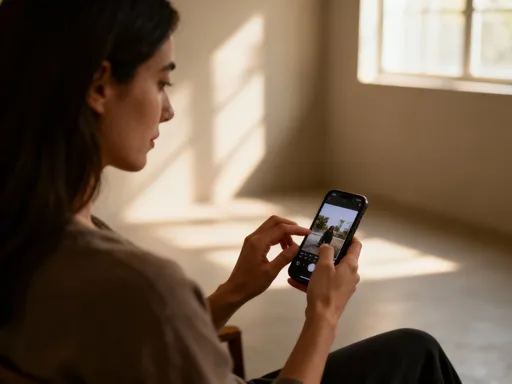
Think of it like this: your phone already takes great photos. Now imagine that photo album could look at a picture of your electric bill and say, “Ah, this is a utility bill from June. I’ll name it and file it in the ‘Bills’ folder.” That’s document recognition. It’s like a smart assistant for your paperwork. You snap a photo—just like you would of your lunch or your kid’s artwork—and the app does the rest. It straightens the image, removes shadows, reads the text (even if it’s handwritten, thanks to OCR—more on that in plain English in a sec), and saves it with the right name.
OCR stands for optical character recognition. Fancy name, simple idea: it’s the tech that lets your phone “read” text in a photo. So if you write a note to yourself—“Call dentist”—and snap it, your app can search for “dentist” later and find it. No more flipping through sticky notes. The app learns what matters. It recognizes a receipt, a passport, a school form. It can even highlight dates, amounts, and names. And the best part? You don’t have to do anything special. No scanning settings. No file naming rules. Just open the app, point, shoot, and tap save. It’s so simple, my 10-year-old uses it to keep track of her library books and soccer schedules.
Building a Family System That Actually Works
One of the biggest fears I had was that this would just become another thing I had to manage. But the opposite happened. Once I started scanning, it became a family habit—not because I forced it, but because it made life easier for everyone.
We set up shared folders in the cloud. Not complicated—just simple names: “Medical Records,” “School,” “Warranties,” “Car,” “Travel.” I invited my husband and older kids to access them. At first, they rolled their eyes. “Mom, we don’t need that.” Then came the day my daughter needed her iPad receipt for a screen repair. She called from the Apple Store. “Mom, do you have the receipt?” I said, “Check the Apple folder in the Warranties section.” Two minutes later, she texted: “Got it. They’re fixing it now. Thanks!” That night, she said, “Okay, I get it now.”
Now, my kids know where things are. When my younger son needed his vaccination record for a playdate sleepover, my husband pulled it up on his phone while chatting with the other parent. No running home. No stress. And when my parents babysit, I share temporary access to the medical folder. They feel confident. I feel safe. That’s the real win—not just organization, but trust. When information is easy to find, everyone feels more capable. We’re not hiding things or playing detective. We’re a team. And that changes the energy in the house. Less “I told you to…” and more “I’ve got this.”
Small Habits, Big Results
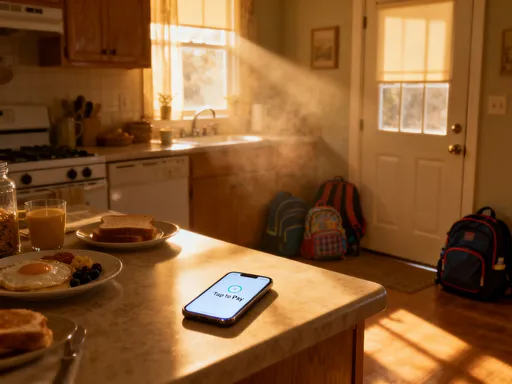
You don’t have to scan 100 papers in one day. In fact, I don’t recommend it. What works is a tiny, consistent habit. For us, it’s the “5-minute scan” after dinner. While the kids clean up their plates, I grab the day’s mail, receipts, and any papers that came home in backpacks. I go through them quickly—toss what’s junk, scan what matters. It’s not perfect. Some nights I forget. But even doing it three times a week made a huge difference.
Over time, the physical pile on the counter shrank. Then it disappeared. Now, we have a small basket labeled “Scan Bin.” Anyone can drop papers in. Every few days, I empty it. The kids know the drill. “Hand me that flyer, sweetie—I’ll get it scanned.” It’s become part of our rhythm, like loading the dishwasher or packing lunches.
And the mental shift? Huge. I used to dread opening the mail. Now, I don’t. Because I know I can handle it. No more decision fatigue—should I file this? Where does it go? What if I need it later? The app takes care of that. I just decide: keep or toss. If I’m unsure, I scan it. Better safe than sorry. That one habit—five minutes, a few times a week—has saved me hours of stress. And in those quiet moments, I feel something I hadn’t in years: control. Not control in a rigid, perfect way. But the kind of control that lets you breathe, that says, “I’ve got this. We’re okay.”
Beyond the Home: Confidence in the Real World
Here’s what surprised me most: the calm I built at home started showing up everywhere else. When I walk into the bank, the school office, or even the DMV, I don’t panic if they ask for a document. I don’t have to reschedule. I don’t have to drive home. I just say, “Let me pull that up,” and I do. That simple act—retrieving a document in seconds—has given me a quiet confidence I didn’t know I was missing.
Last winter, I applied for a home improvement loan to fix our roof. The lender asked for three years of property tax records, insurance statements, and contractor estimates. In the past, this would’ve taken days—calling the county office, digging through shoeboxes, hoping the paperwork survived the move. This time, I had it all scanned and organized. I shared the files in minutes. The loan officer said, “You’re the first person this week who had everything ready.” I didn’t feel proud because I was special. I felt proud because I’d made a small choice—over and over—that added up.
Then there was the day I forgot my driver’s license at home before a doctor’s appointment. I was about to turn around when I remembered—my state has a digital ID option, and I’d uploaded a scanned copy of my license to my wallet app. The receptionist scanned the QR code, and I was checked in. No wasted trip. No frustration. Just smooth sailing. That’s the power of being prepared. It’s not about showing off. It’s about knowing you can handle whatever comes your way. And when you feel that kind of confidence, it changes how you move through the world.
A Lighter Life, One Scan at a Time
Looking back, I realize I wasn’t just tired of paper. I was tired of the weight it carried—the stress, the guilt, the constant chasing. I thought being a good mom, a good partner, a responsible adult meant keeping it all together in my head. But no one can hold that much. We weren’t built for it. What I’ve learned is that clarity isn’t something you achieve by trying harder. It’s something you build by choosing better tools.
Document scanning didn’t make me more techy. It made me more present. I spend less time searching and more time listening. Less time worrying and more time laughing. My home is quieter—not because it’s empty, but because the mental noise has faded. The arguments about lost papers? Rare now. The Sunday afternoon panic before school starts? Gone. Instead, we have space. Space on the counter. Space in our schedules. Space in our minds.
And here’s the thing: this isn’t about perfection. I still have days when the scan bin overflows. I still misplace things. But now, I have a safety net. I have a system that works, even when I don’t. And that makes all the difference.
So if you’re standing in your kitchen, coffee in hand, searching for a receipt you know is lost, hear this: it doesn’t have to be this way. You don’t have to live with the chaos. You don’t have to carry it all. There’s a simpler way. It starts with one photo. One tap. One document saved. And from there, a lighter life begins—not because you did everything, but because you found a way to do less and feel more. More peace. More confidence. More joy. That’s not magic. That’s just what happens when technology finally understands real life.