Synced Our Schedules in 10 Minutes: How a Shared Family App Fixed Our Chaos
Living in the same home but feeling miles apart? We’ve all been there—missing each other’s cues, double-booking weekends, or scrambling to remember who picked up the kids. I felt constantly out of rhythm with my partner, like we were roommates, not a team. Then we tried one simple tool that changed everything. Not magic, not therapy—just better coordination. And it brought us closer than we realized was possible. It wasn’t about working harder; it was about working together, in real time, with a little help from an app we already had on our phones.
The Daily Drift: When Life Pulls Couples in Different Directions
Let’s be honest—some days, it feels like we’re just ships passing in the night. You wake up, pack lunches, rush the kids to school, dash to work, take calls, answer emails, squeeze in a gym session if you’re lucky, pick up dinner on the way home, help with homework, and collapse into bed—all without really seeing your partner. And when you do finally talk, it’s often about logistics: “Did you pay the electric bill?” “Who’s taking the dog to the vet?” “Did the kids finish their science project?” Sound familiar? I used to think this was just how adult life worked—busy, chaotic, and emotionally stretched. But over time, I noticed something deeper: the more out of sync we were on the little things, the more disconnected we felt on the big ones.
It wasn’t that we didn’t care. We did—deeply. But between jobs, parenting, household chores, and personal commitments, we were running on different clocks. I’d plan a quiet dinner at home, only to find out he’d invited his team over for a work celebration. He’d book a weekend trip for us, not realizing I’d already committed to a family event. These weren’t huge fights, but they added up—like tiny paper cuts to our relationship. The frustration wasn’t about the missed plans; it was about feeling unseen, unheard, and unconsulted. We weren’t communicating, not because we didn’t want to, but because we didn’t have a system to make it easy.
And it wasn’t just about events. It was the little things—forgetting to refill the coffee, missing a school form deadline, or one of us ending up at soccer practice alone because the other forgot. These moments didn’t ruin our days, but they created a low hum of stress that lingered. I started to wonder: if we could just stay on the same page, would we feel more like a team? Would we have more energy for each other, instead of constantly fixing miscommunications?
From Overload to Overlap: Discovering Shared Rhythm Tools
The turning point came during a particularly rough week. I had a big presentation at work, the kids were sick, and my mom needed a ride to her doctor’s appointment. I texted my husband three times that morning, asking if he could help. He didn’t respond until late afternoon—turns out, his phone was on silent, and he’d already left for a site visit. I felt overwhelmed and alone, and when he finally called, I snapped. It wasn’t fair, and I knew it. But in that moment, I just needed backup, and I didn’t feel like I had it.
That night, instead of arguing, we sat down and asked: how can we do better? We didn’t need more love—we had plenty of that. We needed better coordination. And that’s when I remembered a feature I’d seen in our phones: shared calendars. Not just for work meetings, but for everything—school events, doctor appointments, grocery runs, even “date night” reminders. I’d ignored it before, thinking it was too techy or impersonal. But what if it wasn’t about tracking each other? What if it was about supporting each other?
We decided to try it—not as a surveillance tool, but as a shared rhythm system. The idea wasn’t to monitor every move, but to create awareness. If I saw he had a late meeting, I could plan dinner accordingly. If he saw I had a stressful day, he could send a sweet text or bring home tea. It wasn’t about control; it was about care. And surprisingly, it started to rebuild the emotional connection we’d been missing. When we could see each other’s lives—not just hear about them—we felt more present, even when we were apart.
Choosing the Right Tool: Simplicity Over Features
Now, I know what you’re thinking: “There are a million apps out there. Which one do I pick?” When we first started looking, we got overwhelmed fast. Some apps promised AI scheduling, mood tracking, chore rewards, and even grocery list integration with delivery services. But we didn’t need a digital assistant—we needed a simple way to stay in sync without adding more to our plates.
We tested a couple of options, but the one that stuck was already on our phones: Google Calendar with shared access. No extra download, no learning curve, no monthly fee. And the best part? We both already used it for work, so adding personal events felt natural. We created a shared family calendar and linked it to our individual accounts. Within ten minutes, we could see each other’s schedules in real time. No more double-booking. No more guessing. Just clarity.
Now, you might use Apple’s Shared Reminders or another platform—what matters isn’t the brand, but the fit. We made a few rules: only add events that affect both of us (no need to see every dentist appointment), use color-coding (blue for work, green for kids, red for us), and respect privacy—no checking the calendar obsessively. The goal was trust, not surveillance. And because it was simple, we actually used it. Fancy features are great, but if you don’t use them, they’re just digital clutter.
Setting it up was easy. On an Android or iPhone, you open the Calendar app, tap “+” to create a new event, add the details, and then under “Guests” or “Share With,” type in your partner’s email. You can choose to make it view-only or allow edits— we picked “can edit” so either of us could update plans. Then, we turned on notifications so we’d get alerts for new events or changes. That’s it. No tech degree required. Just two people who wanted to be on the same page.
Syncing the Small Stuff: How Daily Reminders Reduce Tension
Here’s what surprised me: it wasn’t the big events that made the biggest difference. It was the small stuff. Like when I added a reminder that I was picking up the kids from soccer on Tuesdays, and my husband stopped double-booking himself. Or when he marked “Running late—traffic on I-95” on his calendar, and I didn’t panic when he wasn’t home by 6:30. These tiny updates didn’t just save time—they saved emotions.
I’ll never forget the day I wasn’t feeling well. I didn’t want to make a big deal of it, so I just added a note to my calendar: “Home early—resting.” Later, I found a message from him: “Saw your status. Left soup in the fridge and took the kids to the park. Get well soon.” That small gesture meant everything. He didn’t have to ask. He just knew. And because he knew, I felt cared for. That’s the power of shared awareness—it turns logistics into love.
We also started using shared reminders for chores. Instead of arguing about who forgot to take out the trash, we added it to a shared list with due dates. Same for grocery shopping, prescription refills, and even “call the plumber.” It removed the blame. Now, if something didn’t get done, it wasn’t because someone was lazy or inconsiderate—it was because the reminder wasn’t set, or we both missed it. And that’s fixable. We could adjust together, without resentment.
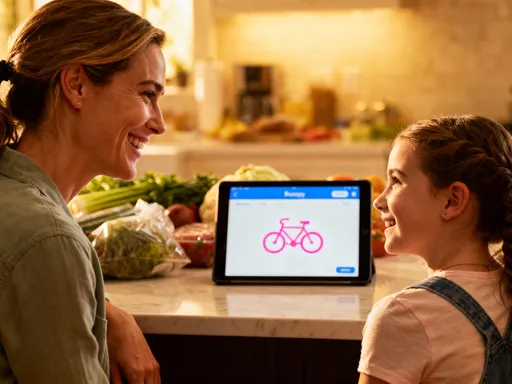
Even the kids got involved. We created a family view on the calendar so they could see when Mom or Dad had a busy day. They started saying things like, “Oh, you have a meeting—let’s talk after dinner.” It taught them empathy and planning, too. This wasn’t just about us—it was about creating a calmer, more predictable home for everyone.
Rebuilding Connection Through Consistency
One of the most unexpected benefits? We started feeling more connected, even when we were apart. Before, if I didn’t hear from my husband all day, I’d wonder: is he okay? Is he stressed? Is he upset with me? Now, I can see his schedule and get little digital nudges that he’s thinking of me. A shared event titled “Order her favorite tea” or a calendar note that says “Call to check in at 3 PM” tells me I’m on his mind.
And we began using the app to plan small moments of togetherness. Instead of waiting for a vacation to reconnect, we scheduled “coffee breaks” during lunch, “walk after dinner” reminders, or “no phones after 8 PM” blocks. These weren’t grand gestures—they were tiny promises to be present. And over time, they rebuilt our emotional rhythm. We weren’t just sharing a home; we were sharing a life.
There’s something comforting about knowing your partner sees you—not just your face, but your day. When he moves a meeting to make it to our daughter’s recital, I notice. When I reschedule a work call to attend his work event, he does too. These small acts of coordination become acts of love. And the app? It’s just the tool that helps us see each other more clearly.
Balancing Privacy and Presence: Setting Healthy Boundaries
Now, I get it—some people worry this feels like over-sharing or losing privacy. And that’s valid. We talked about this too. The key, we found, isn’t constant tracking—it’s intentional sharing. We agreed on boundaries: no checking each other’s calendars during work hours unless it’s urgent, no location sharing during personal time (like a solo coffee run or a workout), and always asking before adding sensitive events.
We also use status updates instead of real-time tracking. For example, instead of sharing live location 24/7, we use a simple message like “On my way” or “Stuck in traffic—15 mins late.” It gives peace of mind without feeling intrusive. And if one of us needs space—a quiet evening alone, a phone-free walk—we respect that. The goal isn’t to be glued to each other’s movements; it’s to feel supported, not monitored.
We also made sure both of us had equal control. Either of us can edit, delete, or hide events. It’s not about one person managing the other—it’s about teamwork. And because we set these rules together, we both feel safe. Technology only works when it’s built on trust, not control. When used with care, it doesn’t replace conversation—it enhances it.
A Calmer Home, A Closer Us: The Ripple Effect of Being in Sync
It’s been six months since we started using the shared calendar, and the change has been deeper than I expected. Our home feels calmer. The constant low-level stress of “Did I forget something?” or “Why didn’t you tell me?” has faded. We laugh more. We argue less. And we’ve even had spontaneous date nights—because for the first time in years, we both actually knew our schedules far enough in advance to plan one.
But more than that, we feel like a team again. Not because we’re doing everything together, but because we’re in sync. We see each other’s efforts. We anticipate each other’s needs. We show up—sometimes with a text, sometimes with soup, sometimes just by rescheduling a meeting. And that makes all the difference.
If you’re feeling out of step with your partner, I get it. It’s not about love—it’s about logistics. And sometimes, a simple tool can bridge the gap. You don’t need a perfect system. You don’t need the fanciest app. You just need a way to see each other’s lives and say, “I’m here. I’ve got you.” That’s what this little calendar did for us. It didn’t fix everything—but it helped us show up for each other, every single day. And honestly? That’s enough.