I’ll just finish this one task — How an eye break app finally saved my vision (and my focus)
You know that moment — eyes glued to the screen, neck stiff, headache creeping in, and you realize you’ve been working for three hours straight without looking away? I lived like that during my first year of remote work. I told myself I was being productive, but really, I was burning out. Then I found a simple app that didn’t just remind me to rest — it quietly reshaped my habits. It wasn’t magic. It was design, timing, and a little nudge when I needed it most. And it changed how I work — and live — every single day.
The Screen Trap: How Working from Home Turned My Eyes into Glue
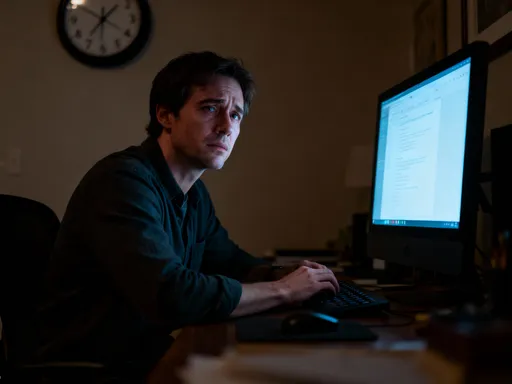
Remember when we all dreamed of working from home? No more freezing on train platforms, no more rushed breakfasts, no more fluorescent office lights. Just you, your laptop, and the freedom to wear pajamas all day. It sounded perfect. But after a few months into my remote setup, I started noticing something strange — I felt more tired than ever. Not the good kind of tired after a productive day. This was a heavy, foggy exhaustion that settled behind my eyes and didn’t go away, even after a full night’s sleep.
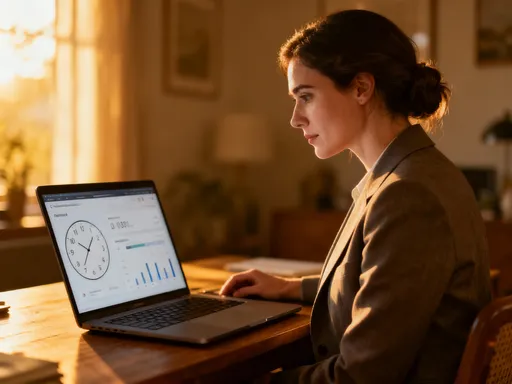
I’d sit down in the morning with a fresh cup of coffee, ready to conquer my to-do list. One email led to another. A quick document edit turned into a three-hour deep dive. I’d glance up and realize the sun had moved across the sky. My neck ached. My shoulders were tight. My eyes felt dry, like they’d been dusted with sand. And yet, I kept going. Just one more task, I’d whisper to myself. I’ll take a break after this. But that break never came.
What I didn’t realize then was that I was caught in a modern trap — the invisible cost of screen overuse. When we work from home, the boundaries blur. There’s no walk to the break room, no chit-chat by the water cooler, no natural reason to look away from the screen. We’re left alone with our devices, and without those small, unconscious pauses, our bodies and minds pay the price. I started getting headaches almost daily. My vision would blur temporarily after long sessions. I’d feel irritable, unfocused, even anxious — and I couldn’t figure out why.
Turns out, it wasn’t just me. Studies show that staring at screens for prolonged periods reduces our blink rate by up to 60%. That means less moisture, more dryness, and increased eye strain. Add in poor lighting, glare, and the constant mental load of digital multitasking, and it’s no wonder so many of us feel drained. I wasn’t lazy. I wasn’t weak. I was simply running on a system that wasn’t designed for long-term human comfort. I needed a reset — but willpower alone wasn’t cutting it.
The App That Didn’t Annoy Me (And Why That Matters)
I’d tried everything before I found the right tool. I set calendar alerts every hour. I wrote sticky notes and stuck them on my monitor: “LOOK AWAY!” I even tried using my phone’s timer. But every time the reminder popped up, I’d sigh, hit snooze, or close it without a second thought. It felt like another demand on my attention — one more thing to manage in an already overwhelming day. I didn’t need another task. I needed help — gentle, kind help — to do something I already knew I should do.
Then I stumbled on an eye break app that felt different. No flashing red alerts. No loud beeping. No guilt-inducing messages like “You haven’t rested in 3 hours!” Instead, the screen would softly dim, like the lights in a theater before a movie starts. A calm chime would play — just once — and a simple message would appear: “Time to rest your eyes. Look 20 feet away for 20 seconds.” That’s it. No pressure. No shame. Just a quiet invitation to pause.
What made this app work wasn’t its features — it was its philosophy. It wasn’t designed to scold or control. It was designed to support. The interface used soft, neutral colors. I could choose gentle nature sounds — a light breeze, distant birds, or silence if I preferred. The breaks were short, only 20 seconds, so they never felt disruptive. And most importantly, it didn’t fight against my habits — it worked with them. It understood that I wasn’t going to stop working. But maybe, just maybe, I could pause for a few seconds without losing momentum.
Good technology, I realized, shouldn’t feel like a chore. It should feel like a friend quietly reminding you to drink water or step outside for fresh air. This app didn’t demand my attention — it earned it. And because it respected my time and energy, I actually listened. That’s when I started to change. Not because I became more disciplined, but because the right design made the healthy choice the easiest one.
20-20-20, But Actually Doing It: Turning Science into Routine
You’ve probably heard of the 20-20-20 rule: every 20 minutes, look at something 20 feet away for 20 seconds. It’s a simple, science-backed way to reduce eye strain. Ophthalmologists recommend it. Articles mention it. But how many of us actually follow it? I didn’t — not until the app made it automatic. Before, the rule was just another piece of advice I felt guilty about ignoring. Now, it became part of my rhythm, as natural as breathing.
The app didn’t just remind me — it taught me. After each break, it would show a small notification: “Great job! That’s 3 hours of protected vision today.” Or “You’ve taken 8 breaks — your eyes will thank you.” These tiny bits of feedback made me feel seen. It wasn’t about perfection. It was about progress. I started noticing things I’d never paid attention to before — the tree outside my window, the way sunlight hit the wall in the afternoon, the little bird that perched on the fence every morning. These weren’t distractions. They were moments of connection.
And something surprising happened — the breaks started to spill over into other healthy habits. I’d stand up during the 20 seconds, stretch my arms, roll my shoulders. Sometimes I’d walk to the kitchen and grab a glass of water. Other times, I’d pet my dog, who always seemed happy to see me — even if it was just for 20 seconds. The app didn’t ask for any of this. But by creating a daily pause, it opened space for small acts of self-care I hadn’t made time for before.
Over time, I noticed real changes. My eyes felt less dry. The headaches became less frequent. I could focus longer without feeling mentally drained. And I started to trust the process. I didn’t have to push through fatigue anymore. I could rest, reset, and return — and still get my work done. The 20-20-20 rule wasn’t just protecting my vision. It was teaching me how to work with my body, not against it.
From Eye Breaks to Life Breaks: How Small Pauses Changed My Whole Day
The biggest surprise wasn’t just better eye health — it was better mental clarity. Those 20-second pauses became more than just eye breaks. They became mental resets. Before, I’d react to stressful emails in the heat of the moment — typing fast, feeling tense, sending messages I later regretted. Now, when a challenging message came in, I’d wait. Not because I was avoiding it, but because I knew my next eye break was coming in a few minutes. And in that short wait, something shifted. I’d breathe. I’d let the initial emotion pass. And when I finally replied, my response was calmer, clearer, more thoughtful.
These micro-pauses started to change the rhythm of my entire day. I began scheduling longer breaks — 5 or 10 minutes — after every few eye breaks. I’d walk around the house, step outside, or just sit quietly with my tea. I started talking to my family more during the day, not because I had to, but because I had space to. My daughter noticed. “Mom, you seem less stressed,” she said one afternoon. That hit me. I hadn’t set out to reduce my stress — I just wanted to stop getting headaches. But by honoring small pauses, I was giving myself permission to be present.
Technology is often blamed for pulling us away from ourselves. But in this case, it did the opposite. The app didn’t distract me — it helped me reconnect. It reminded me that focus isn’t about pushing through exhaustion. It’s about knowing when to step back, breathe, and return with fresh eyes. Those 20-second breaks became tiny acts of mindfulness, woven into my workday without any extra effort. I wasn’t meditating for hours. I wasn’t doing yoga at my desk. I was simply looking out the window for 20 seconds — and it made all the difference.
Making It Stick: How the App Became Part of My Daily Rhythm
Let’s be honest — it didn’t work perfectly from day one. There were times I turned the app off. Days when I was on a tight deadline and thought, I don’t have time for breaks. Weeks when I forgot to open it at all. Old habits die hard, especially when we’re under pressure. But what kept me coming back wasn’t guilt — it was results. After a day without the app, I’d feel the difference. My eyes would ache. My focus would slip. I’d feel more tired by 3 p.m. than I did on days when I followed the rhythm.
What finally made it stick was personalization. I learned to adjust the settings to fit my life. I set the break interval to 25 minutes instead of 20 — it felt more natural with my work cycles. I chose a soft forest sound that felt calming, not jarring. I even linked the breaks to small rituals — like taking a sip of water or doing a quick shoulder roll. These tiny connections turned the breaks into something I looked forward to, not something I resisted.
The app also had a weekly summary feature. Every Sunday, it would show me how many breaks I’d taken, how many hours of screen time were protected, and how consistent I’d been. It wasn’t about hitting a perfect score. It was about seeing progress. One week, I saw I’d taken 80% of my breaks. The next week, 85%. Small wins, but they added up. And the app never shamed me for missing a few. It just said, “You’ve got this. Try again tomorrow.” That gentle encouragement made all the difference. It wasn’t a drill sergeant. It was a supportive coach.
Not Just for Me: Sharing It with My Family (And Seeing Changes)
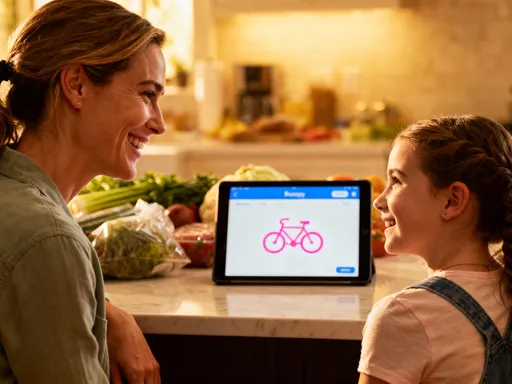
I didn’t set out to turn my family into eye break enthusiasts. But when my sister came over and saw the app in action, she asked what it was. I showed her — the soft dimming, the calm message, the 20-second pause. She downloaded it that night. A week later, she texted me: “I didn’t think I needed this, but my eyes feel so much better. I didn’t realize how much I was straining them.”
Then I showed it to my dad, who spends hours reading news and doing puzzles on his tablet. He’s in his late 60s and had been complaining about dry eyes for months. He was skeptical at first — “Another app? Really?” — but after I explained how it worked, he gave it a try. A month later, he told me his eyes felt less tired. “I actually look up now,” he said. “I see the garden. I see the sky. I didn’t realize how much I was missing.”
Even my teenage nephew started using it — and that surprised me the most. He’s glued to his gaming console and phone, like most teens. I mentioned it casually, not expecting much. But he downloaded it and set it up on his laptop for schoolwork. He doesn’t use it 100%, but he told me it helps him remember to take breaks during long study sessions. “It’s not annoying,” he said. “It’s kind of nice.”
What I love most is that we never had a lecture about screen time or eye health. No nagging. No rules. Just a simple tool that made it easier to do something good for ourselves. And because it felt gentle and respectful, it spread quietly — like a good habit passed from one person to another. It reminded me that well-being doesn’t always come from big changes. Sometimes, it starts with a 20-second pause.
More Than an App: How Tiny Tech Can Transform Everyday Life
In the end, this wasn’t just about saving my vision. It was about reclaiming my attention, my energy, my peace. The app didn’t make me more productive in the traditional sense — I didn’t suddenly finish twice as much work. But I worked with more clarity. I felt calmer. I made fewer mistakes. I responded to challenges with more patience. And I felt more in control of my day, not because I was doing more, but because I was pausing more.
What this experience taught me is that not all technology has to be flashy or complex to be powerful. Sometimes, the most transformative tools are the quiet ones — the ones that don’t demand our attention, but gently guide it. They don’t replace human wisdom. They support it. They don’t automate our lives. They help us live more intentionally.
So if you’re feeling stuck in that “just one more task” loop, I want you to know — you’re not alone. And you don’t need to overhaul your life to make a change. You just need one small nudge. Maybe it’s an app. Maybe it’s a timer. Maybe it’s a sticky note that actually works this time. The point isn’t perfection. It’s awareness. It’s remembering that you matter — your eyes, your mind, your well-being. And sometimes, the simplest tools can help you remember that most important truth.