What if Your Phone Could Help You Parent — and Save Energy Too?
We’ve all been there — scrolling through settings, trying to make screen time ‘healthier,’ or worrying if our kids are stressed without saying a word. What if your everyday devices could quietly help you connect, care, and even cut energy costs — without adding more to your plate? This isn’t about fancy tech. It’s about small, smart changes that fit into real life, helping you feel more in control — and more present — as a parent. You don’t need to become a tech expert. You just need to know where to look, what to tweak, and how to turn what feels like a constant distraction into a tool that supports your family’s well-being, peace, and even your monthly budget.
The Overwhelmed Parent’s Dilemma: Too Much Tech, Not Enough Time
Let’s be honest — parenting today doesn’t come with a manual, and the tech around us often feels like it’s making things harder, not easier. You wake up to a flood of notifications, rush the kids out the door, juggle work emails, and by the time dinner rolls around, everyone’s a little frazzled. And then there’s the screen time debate: your teenager is glued to their phone, your youngest is begging for just ten more minutes of cartoons, and you’re wondering — am I doing this right? Should I be stricter? More flexible? What’s ‘normal’ these days?
At the same time, your energy bill keeps climbing. You’ve turned off lights when you remember, but something still feels off. And beneath it all, you sense your kids are carrying stress — maybe from school, social pressures, or just the pace of life — but they’re not talking. You want to help, but you’re not sure how to start the conversation. The truth is, most of us are doing our best with the tools we have. But what if those tools — our phones, tablets, even our smart home gadgets — could do more than just entertain or distract? What if they could actually help us tune in — to our kids, to our homes, and to ourselves?
The good news? They already can. You don’t need to buy a new device or sign up for another subscription. The features are already in your pocket. The challenge isn’t access — it’s knowing how to use them in a way that feels natural, not overwhelming. Think of it like learning to cook with what’s already in your pantry. You don’t need a gourmet kitchen. You just need to know which ingredients make a difference. That’s what this is about — using what you have, in smarter, gentler ways, so tech stops feeling like the enemy and starts feeling like a quiet helper in your daily rhythm.
Hidden Helpers in Plain Sight: Rethinking Energy-Saving Modes
When you hear ‘energy-saving mode,’ you probably think: dimmer screen, slower performance, last-resort battery boost. But what if I told you that energy-saving settings can do more than just keep your phone alive until you find a charger? What if they could actually help your family feel calmer, more focused, and even sleep better — all while quietly reducing your household’s energy use?
Here’s how it works. When you enable energy-saving modes — whether it’s on your phone, tablet, or even your child’s device — the screen automatically dims, background apps slow down, and notifications get limited. That might sound like a technical detail, but in real life, it creates a quieter digital environment. Fewer pop-ups. Less buzzing. Less visual noise. And that matters — especially for kids and teens whose brains are still developing. A cluttered screen can feel overwhelming, even if they don’t say it out loud. A calmer screen, on the other hand, supports focus and reduces mental fatigue.
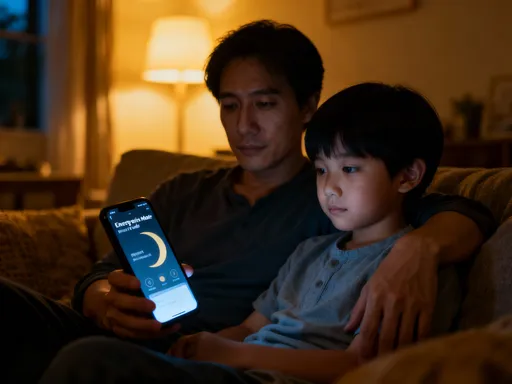
But there’s another layer: routine. When you set your phone to switch to energy-saving mode at a certain time — say, 7 PM — it becomes a subtle cue for your family. It’s not a rule shouted from the kitchen. It’s a gentle signal that the day is winding down. The screen gets softer. The colors shift. And over time, your body and mind start to notice. You feel less tempted to scroll. Your child puts the game away a little sooner. It’s not about control — it’s about rhythm. And that rhythm doesn’t just help with sleep; it also reduces energy consumption across devices. Multiply that across a household, and you’re not just saving battery — you’re lowering your overall power use, quietly and consistently.
One mom I spoke with started using this trick with her 12-year-old son. She didn’t make it a rule. She just said, ‘Let’s see what happens if we both turn on energy-saving mode at 7:30.’ They did it together. Within a week, her son noticed he felt less ‘wired’ at bedtime. He wasn’t fighting sleep like he used to. And she realized — they were both using less power, without even thinking about it. That’s the power of small, shared changes. They don’t feel like sacrifices. They feel like upgrades.
Tech That Tracks Without Tracking: Health Insights Made Simple
Let’s talk about the word ‘tracking.’ For a lot of parents, it sounds a little invasive. Like you’re monitoring your kid’s every move. And no one wants that. But what if your devices could help you notice patterns — not spy on them? What if they could gently highlight when someone’s been on their screen too long, not sleeping enough, or showing signs of stress — without alarms, without judgment?
Most modern phones and tablets come with built-in tools that show screen time, activity levels, and even sleep estimates. These aren’t meant to be used like a report card. They’re meant to be a mirror — a way to see what’s really happening. For example, you might glance at your daughter’s weekly screen time summary and notice she’s spending two extra hours on social apps during exam week. That’s not a reason to panic. It’s a clue. Maybe she’s stressed. Maybe she’s avoiding studying. Or maybe she’s just connecting with friends for support. The number itself isn’t the point — the conversation it opens is.
I remember when my nephew, who’s 14, started having trouble waking up for school. His mom was worried. She wasn’t sure if it was laziness or something deeper. Then she looked at his sleep estimates — not to catch him, but to understand. She saw that he was falling asleep later and later, even though his bedtime hadn’t changed. When she brought it up, he admitted he’d been lying in bed scrolling, trying to calm his mind after a tough day. That single insight changed everything. Instead of nagging, they worked together on a wind-down routine — dimming the lights, using a focus mode to silence notifications, and swapping the phone for a book. No lectures. Just teamwork.
The beauty of these tools is that they’re passive. You don’t have to log anything. You don’t have to set up complex systems. The data collects quietly in the background. And when you choose to look — maybe once a week, maybe only when something feels off — it gives you a starting point for empathy, not control. It’s not about policing screen time. It’s about understanding it. And sometimes, that small shift in perspective is all it takes to turn frustration into connection.
Parent and Child, in Sync: Shared Settings That Build Trust
Here’s a truth most parents know: rules work better when kids feel like they’re part of the decision. If you just say, ‘No screens after 8 PM,’ you’re likely to hear, ‘But why?’ But if you say, ‘Let’s figure out a time that works for all of us,’ you’re inviting cooperation, not conflict. And guess what? Technology can help with that.
Shared settings — like synchronized night modes, family screen wind-down routines, or mutual focus goals — turn tech from a source of tension into a tool for connection. Imagine this: instead of fighting about bedtime, you and your kids agree to turn on ‘Sleep Mode’ at the same time. You all get a gentle reminder. The screens dim. Notifications pause. And suddenly, it’s not you against them. It’s you and them, doing it together. That small act builds trust. It says, ‘I’m not asking you to do something I won’t do myself.’
One family I know started a ‘Quiet Hour’ every evening. No one has to give up their device — but they all agree to enable focus mode, turn off non-essential notifications, and keep screens in another room if possible. The parents read, the kids draw or play board games, and the house just… settles. They didn’t enforce it with punishments. They treated it like a family ritual — something to look forward to, not resist. And over time, the kids started asking for it. ‘Can we do Quiet Hour now?’ That’s the dream, right? When calm becomes the norm, not the exception.
And here’s the bonus: when kids feel included in the process, they’re more likely to respect the boundaries. They don’t feel controlled. They feel cared for. You’re not taking away their phone — you’re creating space for rest, connection, and presence. That’s the real win. It’s not about perfect compliance. It’s about shared values. And when tech supports that, it stops being the problem — and starts being part of the solution.
Small Tweaks, Big Shifts: A Step-by-Step Guide for Busy Families
I know what you’re thinking: this all sounds great, but who has time to go digging through settings? You’re already running on coffee and determination. So let’s make this simple. Here are five small, doable changes you can make in less than ten minutes — today — that will start making a difference right away.
First, turn on adaptive brightness. This isn’t just about saving battery — it’s about comfort. Your screen adjusts to the light in the room, so it’s never too harsh. That means less eye strain, especially in the evening. Go to Settings, find Display, and toggle it on. Done.
Second, set up automatic night mode. Choose a time — maybe 7 PM or 8 PM — when your screen shifts to warmer colors. This helps your brain wind down naturally. You don’t have to remember to do it. It happens automatically. And when your kids see your screen change, they’ll notice. It’s a visual cue that the day is slowing down.
Third, enable weekly screen time reports. This isn’t about guilt. It’s about awareness. Every Sunday, you’ll get a summary of how much time you and your family spent on devices. Use it as a conversation starter — not a lecture. ‘Hey, I noticed we were all on our phones a lot this week. What do you think?’
Fourth, create a family focus mode. Name it ‘Dinner Time’ or ‘Homework Hour.’ When it’s on, only calls from family or important contacts come through. Everyone on the same plan gets the same settings. It’s not punishment — it’s protection. Protection for your attention, your peace, and your connection.
Fifth, sync energy-saving modes across devices. If you have tablets or laptops the kids use, set them to go into low-power mode at the same time each evening. You’ll reduce energy use without lifting a finger. And over time, it becomes part of your family’s rhythm — like brushing teeth or setting the table.
These aren’t big changes. But together, they add up. And the best part? You don’t have to do it all at once. Pick one. Try it for a week. See how it feels. Then add another. Small steps lead to big shifts — especially when they’re sustainable.
Beyond the Phone: Creating a Smarter, Calmer Home Environment
So far, we’ve talked about phones and tablets. But the magic really happens when your devices work together — when your phone, your lights, your thermostat, and even your speaker all move in sync with your family’s needs. This isn’t about having the fanciest smart home. It’s about using what you have to create a space that feels calm, predictable, and supportive.
Imagine this: every evening at 7:30, your lights automatically dim to 50%. Your TV turns off. Your phone switches to night mode. And a soft chime plays through your speaker — not an alarm, but a gentle reminder that it’s time to wind down. You didn’t have to do anything. The house just… knows. And over time, your kids start to relax. They don’t fight bedtime because the environment is already guiding them toward it.
Smart lights, in particular, are a game-changer. Warm, soft lighting in the evening supports melatonin production — the hormone that helps you sleep. Cool, bright light in the morning does the opposite. You can set schedules so your lights follow this natural rhythm. And when the whole house is on the same cycle, it creates a sense of harmony. No more yelling, ‘Turn off the lights!’ They turn off themselves.
And here’s the energy piece: when devices and lights are programmed to power down during low-activity hours, your household’s energy use drops — not because you’re sacrificing comfort, but because the system is working for you. One study found that homes with automated lighting and temperature controls used up to 15% less energy than those without. That’s not a huge overhaul. That’s quiet efficiency.
But beyond the numbers, there’s something deeper. When your home supports your rhythms, you feel more at ease. You’re not constantly managing things. You’re living in them. And that peace — that sense of things flowing smoothly — is priceless. It’s the kind of calm you can’t buy, but you can build, one small automation at a time.
Tech That Serves Your Family — Not the Other Way Around
At the end of the day, technology should make life easier, not harder. It should help you care for your family, not distract you from them. The goal isn’t to eliminate screens or live off the grid. It’s to use what we have — thoughtfully, gently, and with intention — so that tech becomes a quiet ally in your parenting journey.
Think about it: your phone can help you notice when your child is stressed. Your settings can guide your family toward better sleep. Your smart home can reduce energy use without you lifting a finger. These aren’t futuristic dreams. They’re real, available, and waiting to be used. And the best part? You don’t have to do it perfectly. You just have to start.
So tonight, try one thing. Turn on night mode. Check your screen time report. Dim the lights a little earlier. See how it feels. And if it helps — even a little — do it again tomorrow. Because small changes, repeated, become habits. And habits shape your home, your family, and your life.
Let’s stop seeing tech as the problem. Let’s start seeing it as a partner — one that, when used with care, can help us be more present, more peaceful, and more connected. Not because it’s flashy or new, but because it’s already in our hands. And sometimes, that’s all we need to begin.