It’s not just dinner: How smart tech quietly improved our family meals
Remember those chaotic evenings—overcooked pasta, forgotten ingredients, and everyone asking, ‘What’s for dinner?’ I did. Then I started weaving simple smart devices into our dining routine. It didn’t turn my kitchen into a lab; it made mealtime feel calmer, more connected. No tech jargon, no fuss—just small changes that helped us eat better, talk more, and stress less. If your table feels more like a battlefield than a sanctuary, this is for you. What if I told you that the secret to more peaceful meals wasn’t a new recipe book or a fancy meal kit, but a few quiet upgrades that work behind the scenes? This isn’t about becoming a tech expert. It’s about giving yourself a little help so you can be more present where it matters most—at the dinner table with the people you love.
The Dinner Struggle We All Know
Let’s be honest—dinner time can feel like the final boss of the day. You’ve already worked, driven carpools, helped with homework, and now the kitchen clock is ticking. The kids are hungry, the dog needs walking, and somehow, you’re supposed to turn random fridge leftovers into a meal that everyone will actually eat. I remember standing there one night, one hand on the fridge door, the other holding a half-chopped carrot, while my youngest yelled from the table, ‘Is it ready yet?’ I hadn’t even turned on the stove. The stress wasn’t just about cooking—it was about the mental load. The constant planning, the second-guessing, the guilt when we ended up ordering pizza—again.
And it wasn’t just me. I’ve talked to so many women—moms, wives, daughters managing households—who feel the same. We want dinner to be more than just fuel. We want it to be a moment of togetherness, a pause in the noise. But too often, it becomes another thing to check off the list, rushed and frazzled. The real cost? We lose connection. We miss the little stories, the laughter, the chance to really see each other. That’s when I started asking: what if technology could help carry some of that weight? Not in a flashy way, but in quiet, practical ways that support—not replace—the heart of family life.
I wasn’t looking for a robot chef or a voice-controlled oven. I just wanted fewer moments of panic, less wasted food, and a little more peace. So I began small. No grand overhaul. Just one or two simple tools that could ease the friction. And slowly, something shifted. The kitchen didn’t get fancier, but it got calmer. The meals didn’t become gourmet, but they became more enjoyable. Most importantly, the table started to feel like a place we wanted to be—not just a place we had to survive.
Starting Small: A Smart Speaker That Listens
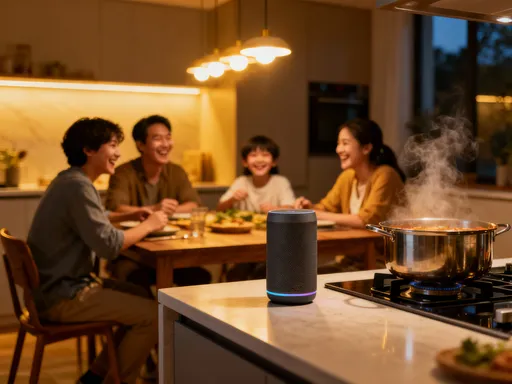
The first change I made was adding a smart speaker to my kitchen counter. I’ll admit, I was skeptical at first. It sounded like something tech bloggers would love, not real moms in real kitchens. But I already had one in the living room for music, so I moved it over one evening just to try. The difference surprised me. The first time I used it while cooking, I was making a new soup recipe—something with seven steps and ingredients I’d never used before. Normally, I’d be flipping through my phone, getting tomato paste on the screen, trying to remember where I left off. But this time, I just said, ‘Hey Google, next step.’ And it told me, clear as day, without me lifting a finger.
Imagine chopping onions with teary eyes and not having to squint at your phone. Imagine stirring a pot while your hands are full and still being able to ask, ‘How long does this simmer?’ That’s what changed. It wasn’t about impressing anyone. It was about giving myself back a little focus. No more switching tabs, no more burned garlic because I lost track. The speaker became a quiet partner in the kitchen—always there, never judging, always ready to help.
And here’s the unexpected bonus: my kids started using it too. My daughter asked it to play her favorite song while setting the table. My son asked, ‘What’s the capital of Peru?’ during broccoli duty. It turned cooking into a shared moment, not just my job. I didn’t have to be the answer to everything. We could learn and laugh together. That’s when I realized—this wasn’t about gadgets. It was about creating space. Space to breathe, to connect, to enjoy the process instead of just rushing through it.
Smart Lighting That Sets the Mood
Next, I turned my attention to the lights. I never thought much about them before—they were just on or off, bright or dimmer. But one evening, after a long week, I decided to try something different. I installed a few smart bulbs in the dining area and living room. They connect to an app on my phone, and I can change the color and brightness with a tap. The first time I dimmed the lights to a warm, golden glow during dinner, my husband looked up and said, ‘Wow, this feels nice.’ That’s all it took.
Before, our meals were under harsh overhead lights that made everything look flat and tired—just like we felt. Now, I set the lights to soften as the sun goes down. I’ve even created a ‘dinner mode’ that turns on at 6 PM—warm, gentle light that makes the table look cozy, not clinical. It’s amazing how such a small thing can shift the whole mood. The kids complain less about eating. We linger longer. Even the dog seems to relax more.
And it’s not just about aesthetics. Light affects our bodies and emotions. Bright, cool light keeps us alert—great for morning coffee, not so great for winding down. Warm light helps us relax, signals to our brains that it’s time to slow down. By syncing the lights with our natural rhythm, we’ve made dinner feel less like a task and more like a ritual. I didn’t need to change the furniture or repaint the walls. Just changing the light changed how we feel in the room.
The best part? It’s easy. No electrician, no rewiring. I just screwed in the bulbs, downloaded the app, and followed the steps. Within ten minutes, I had control. Now, if I’m running late, I can turn the lights on from my car so the house feels welcoming when I walk in. It’s like giving myself a little hug before I even walk through the door.
Fridge Habits That Actually Work
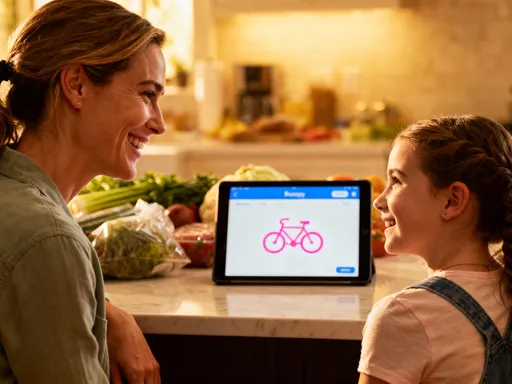
If I had to pick one tech upgrade that reduced stress the most, it’s the smart display on our fridge. I know that sounds extravagant, but hear me out. Ours is just a small screen—like a tablet—that sticks to the front with a magnetic mount. It’s connected to our family calendar and grocery list app. That little screen has ended so many ‘Did you buy milk?’ arguments.
Here’s how it works: when I’m cooking and notice we’re low on olive oil, I say, ‘Hey Google, add olive oil to the grocery list.’ It shows up instantly on the fridge screen—and on everyone’s phone. My husband can check it while he’s at the store. My teenager can see it when she’s helping with dinner. No more forgotten items, no more last-minute store runs. We plan meals on Sundays, and I drag them into the calendar. The screen shows what’s for dinner each night, so no one asks, ‘What’s for dinner?’ at 5:55 PM.
It’s not magic. It’s just shared awareness. Before, meal planning lived in my head. Now, it lives on the fridge. That shift has lifted such a weight. I’m not the only one remembering. We’re all in it together. And because we plan ahead, we waste less food. I can see what’s in the fridge, what needs to be used, and build meals around it. Last week, we had spinach going bad, so the app suggested a frittata recipe. We made it, and it was a hit. Small win, big difference.
I love how it’s become a family hub. My daughter draws pictures and sends them to the screen. My husband leaves little notes: ‘Proud of you.’ It’s not just functional—it’s warm. It’s part of our home, not just a gadget. And that’s the goal, right? Tech that serves life, not the other way around.
Smart Plugs: The Hidden Helper
Now, let’s talk about the simplest, cheapest upgrade I’ve made—smart plugs. These are small devices you plug into a wall outlet, and then plug your appliance into them. You control them from your phone. I use one for our slow cooker. Every Sunday, I prep a big pot of chili or stew, set the plug to turn on at 4 PM, and by the time we sit down, it’s hot and ready. No rushing, no last-minute cooking. The smell greets us as we walk in—it feels like comfort, not chaos.
I also use one for our coffee maker. I set it to start brewing at 6:30 AM so my husband has coffee ready before his early meeting. He doesn’t have to fumble with buttons half-asleep. It’s a tiny thing, but it starts the day with kindness. And for me? I use one for a diffuser in the living room. It turns on at 7 PM, filling the house with lavender scent—our signal that it’s time to unwind.
Setting them up was easier than I thought. I just plugged them in, downloaded the app, and followed the setup. No technical skills needed. And they’re affordable—less than the cost of a nice dinner out. You can start with one, use it for something that matters to you, and go from there. I love that they work in the background. I don’t have to think about them. They just make life a little smoother.
People often think smart home tech is about control—being able to turn things on from far away. But for me, it’s about letting go. It’s about setting things in motion so I don’t have to manage every detail. That’s freedom. That’s peace. And honestly, that’s what I want from technology—less mental load, not more.
Dinner That Connects, Not Just Feeds
Here’s what’s changed most: we actually talk now. I mean really talk. Before, dinner was often silent, or filled with logistics—‘Did you finish your math?’ ‘Don’t forget your soccer bag.’ Now, there’s more laughter. More stories. Last week, my son told us about a book he’s reading—something about ancient Egypt—and we ended up talking about mummies and pyramids for twenty minutes. No phones. No rushing. Just us.
I think the tech helped create that space. Because I’m not stressed about timing, because the lights are calm, because the meal is ready when we are, I’m more present. I’m not in my head, planning the next step. I’m at the table, listening, smiling, asking questions. And the kids notice. My daughter said, ‘Mom, you seem less tired at dinner now.’ That hit me right in the heart.
It’s not that the gadgets made us closer. It’s that they removed the friction that kept us apart. When the little stresses fade, the real moments have room to grow. We’re not just feeding bodies—we’re feeding connection. And that’s priceless. I used to think tech would make us more distant. But when used with intention, it can do the opposite. It can help us be more human, not less.
One night, after a simple meal of grilled chicken and salad, we sat for a long time, just talking. No one got up to clean right away. No one checked their phone. And I remember thinking, ‘This. This is what I’ve been trying to protect all along.’ The tech didn’t create that moment—but it helped make it possible.
Making It Yours: Simple Steps to Start
If you’re reading this and thinking, ‘This sounds nice, but I don’t know where to start,’ I get it. I felt the same. You don’t need to buy everything at once. You don’t need to become a tech expert. Start with one pain point. What part of dinner drives you crazy? Is it the last-minute panic? The forgotten groceries? The harsh lights? The cleanup right after eating?
Pick one thing. Then match it to one simple tool. If meal planning stresses you, try a shared list app on your phone or a smart display. If timing is hard, try a smart plug for your slow cooker. If the mood feels off, try smart bulbs. Start small. Use what you already have—a phone, a speaker, an outlet. Most of these tools work together, and many are affordable.
And remember, this isn’t about perfection. It’s not about having the fanciest kitchen or the most devices. It’s about making your life feel a little lighter. It’s about giving yourself grace. You’re already doing so much. Why not let a little tech help carry the load?
I’ll leave you with this: the best dinners aren’t the ones with perfect plating or exotic ingredients. They’re the ones where everyone is present, where the conversation flows, where you feel seen and heard. If a smart speaker, a dimmed light, or a slow cooker on a timer can help create that space, isn’t it worth a try? Technology doesn’t have to be cold or complicated. When used with care, it can warm your home, calm your mind, and bring your family closer—one quiet upgrade at a time.